Winter Heating in Vacation Rentals: Stop Overuse Without Bad Reviews
You cannot bill Airbnb guests for electricity after the stay: mandatory costs go in a fee field or the nightly price, and off-platform payments are prohibited, so winter overuse is managed with a capped thermostat, an eco mode between stays and friendly heating instructions. This guide covers Airbnb's rules, the thermostat setup, the wording and winter pricing.
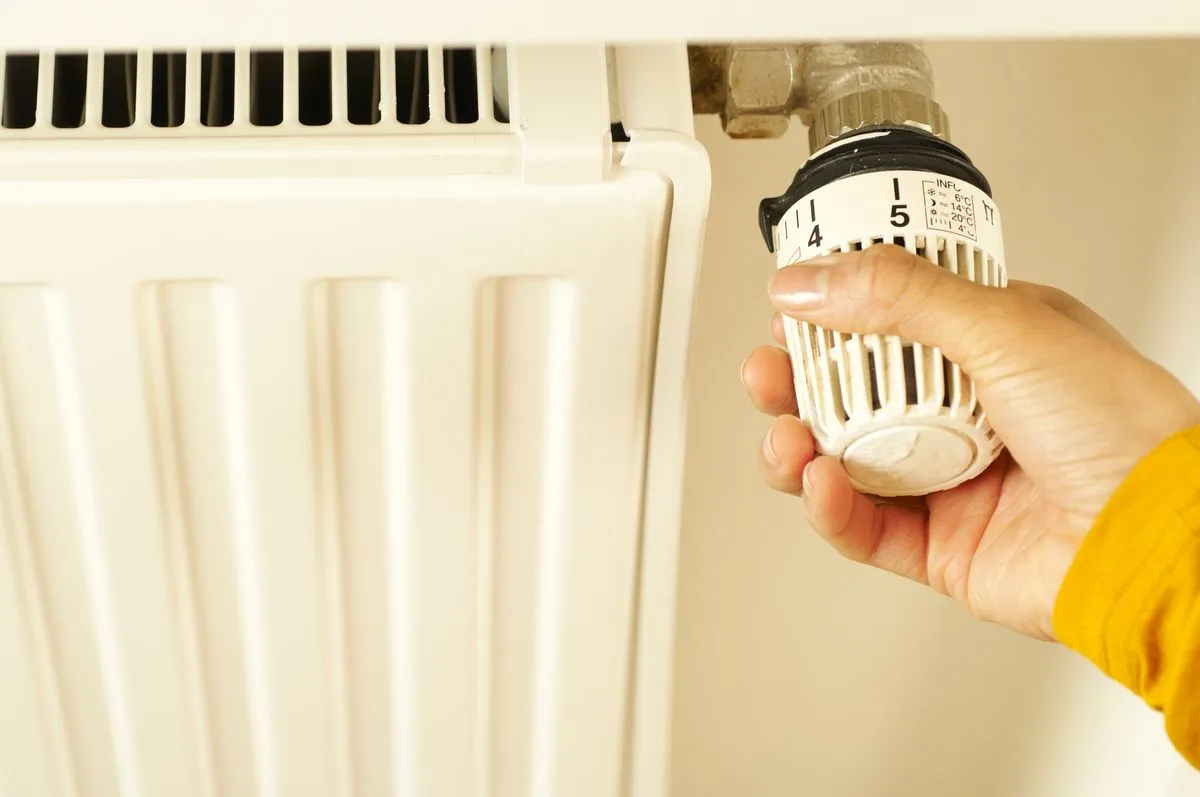
Heating instructions guests actually read
Sign up free. Put your thermostat, radiator and hot tub instructions in a digital welcome guide translated into 9 languages, and let the AI co-host answer heating questions day and night. From €12 / $15 per property per month, first month free.
Start freeMost winter energy overuse in a short-term rental comes from a handful of habits: heating running with windows open, a thermostat left high while guests are out, an empty property heated between stays, and big loads such as hot tubs, saunas, EV charging and plug-in heaters. On Airbnb you can’t bill guests afterwards for the electricity they used: mandatory costs belong in a fee field or the nightly price, and payments outside Airbnb are prohibited. What works is a thermostat with limits and an eco mode between stays, plus friendly heating instructions sent at the right moment.
What drives winter energy overuse in a vacation rental?
In most winter rentals, the same culprits come up.
- Windows open with the heating on. Guests get too warm, tilt a window open and forget it while the radiators heat the cold air coming in.
- Full heat while nobody is home. A ski day, a day trip, an evening out: the house sits at 23°C for eight hours with no one in it.
- Heating between stays. This one is on you: a property kept at comfort temperature through empty nights burns energy nobody benefits from.
- Hot tubs and saunas. An uncovered hot tub loses heat around the clock, and a sauna switched on “just in case” runs for hours for nothing.
- EV charging. A guest charging an electric car overnight from your supply is a real cost, and a silent listing invites an awkward conversation later.
- Slow systems and plug-in heaters. Underfloor heating and heat pumps can take hours to warm a cold house. Guests who don’t know turn everything to maximum, plug in a spare heater, then open the windows when the room overheats.
Heating an empty home and missing instructions are setup problems, not guest problems, and you fix them once for every future stay.
Can you charge Airbnb guests for electricity or set limits?
Airbnb’s Off-Platform and Fee Transparency Policy (checked 9 October 2026) sets the frame:
- No payments outside Airbnb. Requesting, sending or receiving payments outside Airbnb is prohibited, including fees related to the reservation. Airbnb’s own example is an optional fee to heat the pool.
- Mandatory costs must be visible. Utility fees are among Airbnb’s examples of mandatory fees, and all mandatory fees must be disclosed in the appropriate fee field, or in the nightly price if there is no applicable fee field.
- Most hosts have no utility field. A standard home listing offers cleaning, pet and extra guest fees; hosts on Airbnb’s professional hosting tools add resort, linens, management and community fees. None is an electricity fee, so for most hosts energy belongs in the nightly price.
- Optional extras still go through Airbnb. If guests choose to pay for heating the hot tub or charging their car, Airbnb’s help center says optional fees are collected through the Resolution Center, never in cash or by bank transfer.
In practice, a meter reading at checkout followed by a bill is not an option on Airbnb.
Setting limits is a different question. You can add your own house rules on Airbnb, such as closing windows while the heating is on, and configure your thermostat so it can’t be pushed past a maximum. The line not to cross is heating that no longer does its job. Airbnb’s Rebooking and Refund Policy for homes treats an advertised feature that is missing or doesn’t function, with heating and air conditioning systems among its examples, as a reservation issue guests can report within 72 hours of discovery. A cap so low that guests can’t get warm is a refund request waiting to happen.
Booking.com’s fee settings are broader: its charge types include an electricity fee and a heating fee, and a variable amount (“charges may vary”) is allowed for utilities only (electricity, gas, oil, water and wood). If you use them, declare them in your property’s fee settings rather than announcing them at the door.
How should you set up the heating to limit overuse?
A thermostat with a ceiling and a schedule
A programmable or smart thermostat does most of the work. Set a maximum that feels comfortable rather than tropical, and a minimum high enough to protect the building. The US Department of Energy estimates that you can save as much as 10% a year on heating and cooling by turning the thermostat back 7 to 10°F (roughly 4 to 5.5°C) for 8 hours a day from its normal setting (energy.gov, page updated June 2026). The same page notes that programmable thermostats have generally not been recommended for heat pumps, although models designed for heat pumps now exist, so check yours before scheduling deep setbacks.
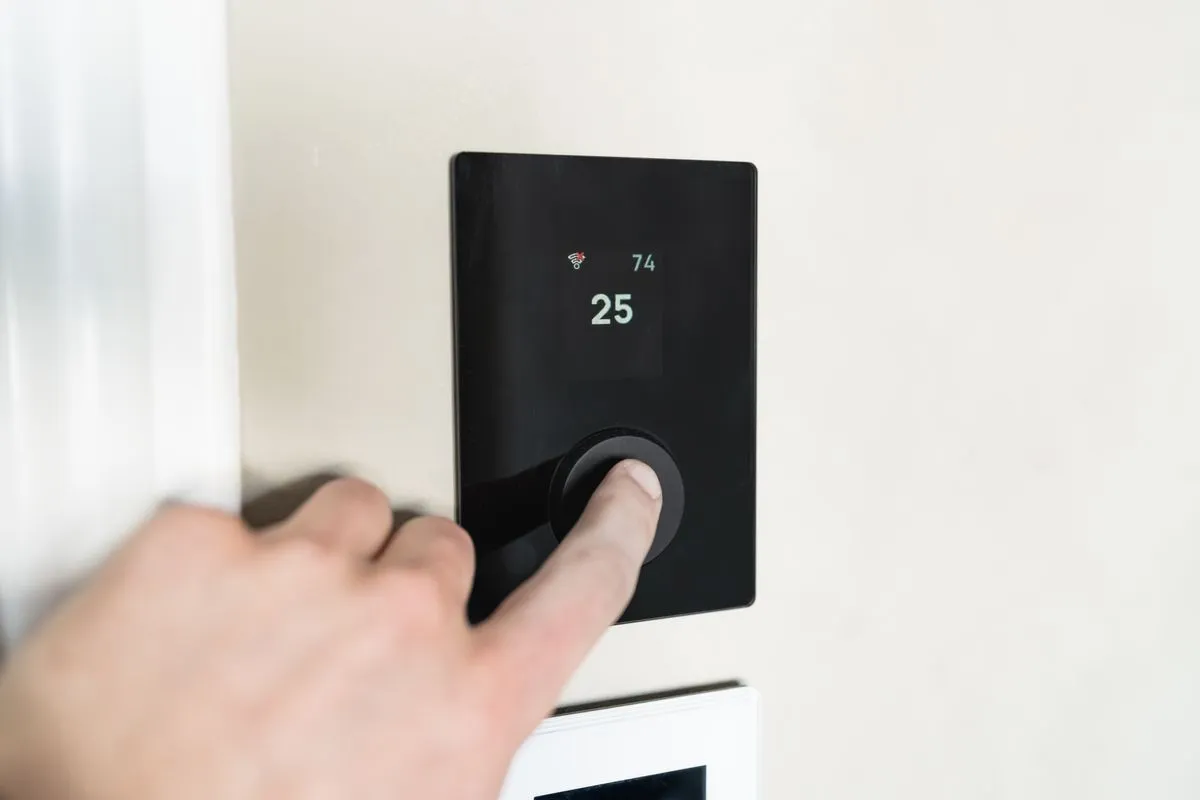
Eco mode between stays, comfort before arrival
France’s Ministry for Ecological Transition recommends around 19°C in occupied rooms during the day, 17°C in bedrooms at night and about 12°C during a prolonged absence. It also points out that turning the heating down is more efficient than switching it off completely, because reheating the whole home often uses more energy (ecologie.gouv.fr, updated 15 July 2026). For a rental, that becomes a simple routine:
- Switch to an eco or away setting as soon as a guest leaves.
- Keep the empty property at a low setback between stays, never fully off in freezing weather. Our winterizing guide covers frost protection for longer closures.
- Schedule comfort mode a few hours before check-in, earlier for underfloor heating or a heat pump. Walking into a cold house is the first thing a winter guest notices, and it colours the rest of the stay.
Room-by-room control
Thermostatic radiator valves keep bedrooms cooler than the living room; note in your guide what the numbers roughly mean. Some smart valves and thermostats also cut the heat when they detect an open window, which solves the most visible winter waste without a single message to the guest.
Hot tubs, saunas, EV charging and plug-in heaters
- Hot tub: keep the cover locked, lower the temperature between stays and raise it before arrival. Ask guests to put the cover back after each use.
- Sauna: use the timer or auto-off, and say how long it takes to heat up so nobody leaves it on all day.
- EV charging: state in the listing whether charging is included or a paid extra, and handle any fee through the platform.
- Plug-in heaters: if the main heating is adequate, remove spare heaters. If a room needs one, provide a model with its own thermostat and a safety cut-off.
How do you ask guests to save energy without sounding stingy?
Guests forgive a lot, but not feeling cold or policed. “Heating is expensive, please be careful” reads as a host counting pennies, and that impression can reach the review. The same request framed as comfort instructions lands very differently.
- Lead with comfort. Tell guests the home will be warm when they arrive, and how to make it warmer.
- Explain, don’t restrict. “The floor heating takes a couple of hours to react, so change the setting one degree at a time” prevents more waste than “do not set above 21°C”.
- Never talk about the bill. No meter photos, no prices, no fines.
- Ask at the right moment. One sentence the evening before departure works better than a list of rules in the welcome message.
Two examples you can adapt:
- Before arrival: “The house will be at 20°C when you arrive. The thermostat is in the hallway, and each bedroom radiator has its own dial. To air a room, turn the radiator down first and open the window wide for ten minutes rather than leaving it tilted.”
- The evening before departure: “Before you leave tomorrow, could you press Eco on the thermostat, close the windows and put the cover back on the hot tub? Thank you, and safe travels!”
Put the same points in your house rules in plain words, and keep the detail in your welcome guide, with a photo of the thermostat and each valve. Our guide to automated check-in and check-out instructions shows how to time those messages.
How should you price winter: in the nightly rate or as a fee?
- On Airbnb, in the nightly rate. With no utility field on a standard listing, winter energy goes into your price. Seasonal pricing does this naturally: December weekends can carry a little more than September ones. Keep the cleaning fee for cleaning.
- On Booking.com, a declared fee is possible. A variable charge settled at the property is transparent on paper, but it is also the kind of surprise that ends up in a review, so a slightly higher rate is often simpler.
- Optional extras stay optional. Hot tub heating or EV charging can be included or sold as a paid extra through the platform. Decide before the season and write it in the listing.
- Direct bookings: state any energy charge before payment, as clearly as the platforms require.
How Nowistay helps keep winter stays warm and efficient
Nowistay is a PMS and channel manager with an AI co-host built in. It doesn’t control your thermostat (its own schedule does that part), but it handles the communication that keeps guests comfortable and the bill under control:
- Heating instructions in the digital welcome guide. Explain once how the thermostat, the radiator valves, the hot tub and the sauna work, add photos or a short video, and guests read it in their language: the guide is translated into 9 languages.
- Answers at 11 pm. When a guest asks “how do I turn on the heating?” late at night, the AI co-host answers from your welcome guide and knowledge base, 24/7 and in 90+ languages, on Airbnb, Booking.com, Expedia, WhatsApp and email, and hands over to you when a human is needed. For equipment, your guide is its source of truth (see what the AI co-host knows and our guide to late-night guest messages).
- Heating failures reach you. If a guest writes that the heating has stopped working, the AI co-host can log it as a heating incident in your Guest requests and alert you, so a cold night is handled before it turns into a refund request.
- Messages timed to the stay. Automated guest messages trigger on booking, check-in or check-out, with an offset in hours, for all or selected properties, by platform inbox, email or WhatsApp. The check-in message carries the heating how-to and the guide link; a check-out message the evening before asks for Eco mode and closed windows (how to set up automated guest messages).
- A turnover checklist. Add “windows closed, hot tub cover locked, thermostat set for the next arrival” to your cleaning checklist, and your cleaner ticks it at every changeover.
Your winter checklist
- Thermostat: a maximum, an eco schedule between stays, comfort a few hours before arrival.
- Extras: decide how the hot tub, sauna and EV charging are handled, and say so in the listing.
- Welcome guide: a heating page with photos of each control.
- Messages: a friendly heating line before arrival, an eco reminder before departure.
- Price: winter energy in your Airbnb nightly rate; any fee declared properly elsewhere.
Frequently asked questions
Can I charge Airbnb guests for the electricity they use?
Not as a separate bill after the stay. Airbnb prohibits payments outside the platform, and mandatory fees, utility fees included, must be disclosed in a fee field or in the nightly price. A standard home listing has no electricity fee field (only cleaning, pet and extra guest fees), so most hosts build energy into the nightly rate.
Can I limit the thermostat temperature in my vacation rental?
Yes. You can set a maximum and an eco schedule on the thermostat and add house rules such as closing windows while the heating is on. Keep the limit comfortable: Airbnb's Rebooking and Refund Policy treats an advertised heating system that doesn't function as a reservation issue that guests can report within 72 hours.
What temperature should I keep my rental at between guests?
Turn the heating down rather than off. France's Ministry for Ecological Transition recommends about 12°C during a prolonged absence and notes that reheating a home from cold often uses more energy than keeping a low setting. In freezing weather, keep frost protection on, and switch back to comfort mode a few hours before the next arrival.
How do I stop guests opening windows with the heating on?
Explain rather than forbid: tell guests to turn the radiator down and open the window wide for a few minutes instead of leaving it tilted, and explain that slow systems such as underfloor heating take time to react. Smart valves or thermostats that cut the heat when a window opens remove the problem without any message.
Should winter energy costs go in the nightly price or a separate fee?
On Airbnb, in the nightly price, since a standard listing has no utility fee field. Booking.com allows declared electricity and heating fees, including variable utility charges, but a slightly higher rate is often simpler for guests to accept. Optional extras like hot tub heating or EV charging can be included or sold through the platform.
How can I ask guests to save energy without getting a bad review?
Lead with comfort, give clear instructions, never mention the bill and ask at the right moment, for example one friendly sentence the evening before departure asking for eco mode and closed windows. Keep the details in your welcome guide and house rules so the request never feels like a reprimand.
FeaturesTeam & cleaningCleaning, maintenance and early check-ins, coordinated
Time every winter reminder automatically
Sign up free. Send the heating how-to before arrival and an eco reminder before departure for every booking, by platform inbox, email or WhatsApp, and get alerted when a guest reports a heating problem.
Try Nowistay free
Bassel Abedi

Founder & CEO of Nowistay
Over 25 years of experience in real estate investing, and an Airbnb Superhost who runs his own vacation rentals with Nowistay. Bassel helps property managers increase revenue, cut operating costs, and deliver 5-star guest experiences using AI-powered tools he built from firsthand hosting experience.