Ultimate guide to crafting an effective Airbnb house rules template
An effective Airbnb house rules template keeps to a short list of essential rules, grouped into clear sections such as hours, noise, pets, cleaning and guest limits, and written in a warm tone rather than as a list of bans. This guide explains what to include, where to display the rules and how to enforce them without scaring guests away.

Build a digital welcome guide your guests will actually use
Sign up free. Nowistay generates a multilingual welcome guide from your property knowledge base, accessible by URL or QR code.
Start free trialWhy are house rules important for Airbnb hosts?
Airbnb house rules are the unsung heroes of short-term rentals. They ensure clarity and define expectations between hosts and guests, acting as the guiding principles for shared living spaces. Think of them as your rental’s code of conduct.
Having precise house rules can prevent misunderstandings, help maintain your property’s condition, and guarantee a harmonious experience for everyone involved. Remember, an Airbnb with house rules is like a ship with a reliable navigation system. Without them, you’re likely to embark on a journey fraught with heated disputes over noise levels or unexpected four-legged visitors. A clearly stated check-out time, repeated in your pre-departure message, is also your first line of defense against a guest who overstays.
What should you include in an Airbnb house rules template?
When crafting your Airbnb house rules template, consider the unique character and needs of your property.
The ideal set of rules should cover:
- the basics like check-in and check-out times
- guest limits
- noise restrictions
- smoking policies
- if your property is a pet-free zone, or conversely, a pet paradise, make sure that’s clear upfront
- don’t forget to address the nitty-gritty details such as garbage disposal protocols
- how to use specific amenities (we’ve all come across a guest who’s baffled by a coffee machine).
Tailor your rules to highlight the aspects that are particularly significant for your property’s location. Like wildlife safety tips for a cabin in the woods or pool safety measures for a vacation villa.
How can house rules enhance the guest experience?
While rules get a bad rap for being joy-killers, they can actually augment the guest experience by outlining the do’s and don’ts that lead to a stress-free stay. Comprehensive rules serve as a signal to guests of your professionalism and attention to detail. Plus, guests prefer knowing what’s expected of them instead of second-guessing if it’s okay to throw a mini petting zoo party at your no-pets loft.
Well-structured rules help guests feel secure and assured in their temporary abode, ultimately making them more likely to respect your space and perhaps even return in the future. So, crack those jokes where necessary and keep the tone light but stern. You’re doing your guests a favor.
How to share and enforce house rules without scaring guests away
Rules only work if guests see them before they need them. Set them in your listing (all guests must agree to your house rules before booking, per the Airbnb Help Center): for reservations booked from 20 November 2026, Airbnb’s house rules and requests policy makes the listing’s House rules and requests section the only place to set them, and forbids adding new ones after booking, by message or on signs. Then repeat the same rules, and nothing more, as a short summary in your pre-arrival message and in your welcome guide. A discreet reminder of an existing rule at the spot where it matters helps too: next to the bins for sorting, by the thermostat, at the pool gate. Rules about sorting waste or reusing towels also serve a second purpose, since sustainable hosting attracts eco-conscious guests and lowers your running costs. If you host travelers from abroad, translate at least the key points, because a rule guests understand is a rule they follow.
Enforcement is about being firm yet approachable. Explain the reason behind a rule (“quiet hours after 10 PM, our neighbors start work early”) and guests are far more likely to respect it. Apply your rules the same way to every guest: an exception granted to one and refused to the next tends to resurface as a complaint in a review. Rules show up in your ratings anyway: clear ones prevent surprises, while a wall of prohibitions makes guests feel watched before they even arrive. Leave room for conversation when a guest asks in advance, for example a later checkout when your cleaning schedule allows it.
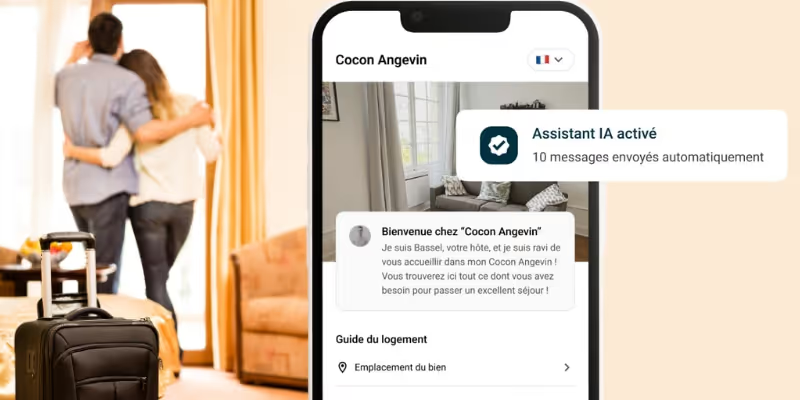
When a rule is broken, start with a polite, factual message that restates the rule and what you expect next. Keep a written record (messages, timestamped photos) in case you need to request a reimbursement through Airbnb’s Resolution Center. An inventory checklist completed at each turnover gives that record a baseline to compare against. With a digital welcome guide such as Nowistay’s, the rules sit next to the Wi-Fi code and check-in steps guests open anyway, translated in one click into 9 languages.

Common mistakes to avoid when creating house rules
A common pitfall is adopting a one-size-fits-all approach to crafting house rules. Remember, your rental is unique, whether it’s a cozy countryside cottage, a sleek urban apartment, or a beachside villa, and your house rules should reflect that unique charm and any specific requirements. For instance, a pet-friendly rental should include clear guidelines on where pets are allowed, while a high-end property with delicate furnishings might require special instructions on handling certain items.
Overloading your guests with an exhaustive list of dos and don’ts might leave them feeling overwhelmed. Imagine arriving at a vacation home and being greeted by a 10-page rulebook dictating everything from how to flush the toilet to which light switches to avoid. Hardly a relaxing start to a trip. Instead, focus on essential rules that ensure a smooth stay without making guests feel micromanaged.
On the flip side, being too vague can lead to misunderstandings. A simple rule like “Keep noise levels reasonable” might be open to interpretation: what’s reasonable to a solo traveler might be very different for a group of friends on a weekend getaway. Instead, specify quiet hours, such as “Please keep noise to a minimum between 10 PM and 7 AM.”
Avoid rules that may come across as too strict or authoritarian. Saying “Absolutely no visitors at any time” can feel unwelcoming, whereas “Visitors are allowed until 10 PM, but overnight stays are not permitted” is much more inviting while still enforcing your boundaries.
It’s all about striking the right balance between being clear and hospitable. Do your best to sound approachable yet authoritative, think of it as the difference between a friendly neighborhood cop and a drill sergeant. A rule that says, “No food or drinks in the living room” might feel harsh, whereas “Please enjoy meals at the dining table to help keep the living room clean and cozy for everyone” conveys the same message in a more welcoming way.
Ultimately, well-crafted house rules should enhance the guest experience, set expectations, and protect your property, all while maintaining a warm and inviting tone.
How often should you update your Airbnb house rules?
Your house rules should be as dynamic as your rental business. As your property evolves or as regulations change, so should the rules that govern it. It’s advisable to review your house rules periodically, at least every six months, to ensure they are still relevant and fully compliant with local laws.
Keep your ear to the ground for feedback from guests as well; they can offer valuable insights that help refine your template. An occasional refresh helps you maintain high standards of operation and stay in sync with the changing needs of the short-term rental market. Much like a good bottle of wine, your house rules should get better with time.
Crafting the perfect Airbnb house rules template is both an art and a science. It requires a careful blend of clarity, foresight, and a touch of personal style. By answering these pivotal questions, you are now better prepared to lay down the law in a manner that promotes mutual respect and a memorable stay for your guests. So, go ahead and pen down those rules, infuse them with personality, and watch as your rental kingdom thrives in harmony.
To make your house rules available to guests in Nowistay, add them to your welcome book using this guide: How to create the welcome guide with AI?.
Frequently asked questions
What should I include in my Airbnb house rules template?
An effective Airbnb house rules template should include check-in and check-out times, noise policies, pet rules, maximum guest count, smoking policy, and cleaning expectations. Keep the rules clear and concise to avoid misunderstandings with guests.
How do I write Airbnb house rules that don't scare guests away?
Use a warm and welcoming tone rather than a list of strict prohibitions. Frame rules positively, explain the reasoning behind each one, and limit yourself to 10-15 essential rules. Guests are more likely to comply when they understand why a rule exists.
Can Airbnb hosts enforce house rules and charge penalties?
Hosts can enforce the house rules guests agreed to before booking, but Airbnb's house rules policy rules out fines and other penalties for reservations booked from 20 November 2026. For damage or extra cleaning, Airbnb's Resolution Center can help you request a reimbursement.
Where should I display my Airbnb house rules?
Set your house rules in the House rules and requests section of your Airbnb listing: for reservations booked from 20 November 2026, Airbnb does not allow new rules or requests added after booking, by message or on signs. Then remind guests of those same rules in a pre-arrival message and in a physical or digital welcome book. This repetition significantly reduces disputes.
Do I legally need house rules for my Airbnb rental?
While not legally required in most jurisdictions, having clear house rules is strongly recommended. They protect you in disputes, help Airbnb mediate in your favor, and set proper expectations that lead to better guest behavior and higher ratings.
How do I get guests to actually read my Airbnb house rules?
Guests agree to your house rules when they book on Airbnb, but few reread them. Send a short summary of the key rules in your pre-arrival message, keep the full list in your welcome guide, and place a discreet reminder where a rule applies, for example next to the bins or the thermostat.
Should I translate my Airbnb house rules into other languages?
Yes, if you host international guests. Airbnb can translate your listing automatically, but a reviewed translation of your key rules avoids misunderstandings. A digital welcome guide with built-in translation keeps every language up to date when you change a rule.
Are Airbnb house rules legally binding?
Guests agree to your house rules when they book on Airbnb, and Airbnb refers to them when it reviews a dispute or a reimbursement request. They do not override local law, so keep them consistent with the regulations and building rules that apply to your property.
FeaturesCheck-in & welcome guideWelcome guide, smart locks and ID checks
One welcome guide for every guest, in every language
Try Nowistay free. Auto-translation, AI-suggested content, and direct integration with your AI co-host.
Try Nowistay free
Bassel Abedi

Founder & CEO of Nowistay
Over 25 years of experience in real estate investing, and an Airbnb Superhost who runs his own vacation rentals with Nowistay. Bassel helps property managers increase revenue, cut operating costs, and deliver 5-star guest experiences using AI-powered tools he built from firsthand hosting experience.