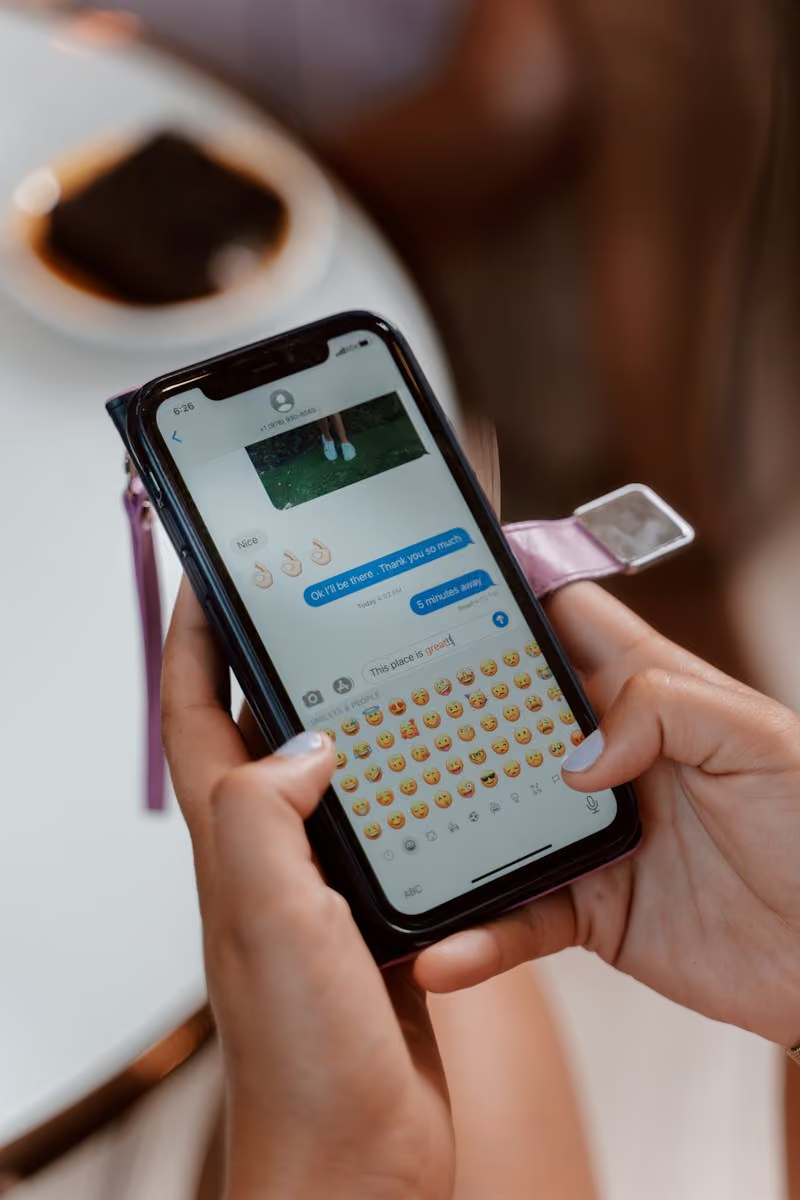
Enhance guest experience and encourage repeat bookings through effective guest communication strategies. Learn how to address common challenges, leverage technology, and use feedback constructively to create unforgettable experiences. Mastering key elements of communication in the short-term rental industry is essential for standing out in a competitive market. Hone your skills and make a big difference with personalized communication that fosters loyalty and long-lasting relationships.

Sign up free, connect your channels, and let Nowistay handle the routine questions. Your response time average drops in two weeks.
Start free trialIn the bustling world of short-term rentals, effective guest communication is the backbone of providing an exceptional experience that turns one-time visitors into loyal repeat customers. With the right strategies, you can streamline your communication process, address guest concerns proactively, and foster positive relationships that benefit both your guests and your business. Let's explore this vital topic by addressing five pertinent questions that rental professionals often ponder.
The basics may sound straightforward, but mastering them requires finesse and consistency. An effective communication strategy starts with timely responses. According to industry surveys, more than 80% of guests expect a response within a few hours. Ensuring your responses are prompt sets a positive tone. Next, clarity is critical. Use simple language and structure your messages logically to avoid miscommunication. Being personable adds a human touch; sprinkle warmth and hospitality in your tone. And yes, remember to smile – it can be felt even in written text! Additionally, be informative but concise. Providing the right amount of information helps guests feel secure without overwhelming them. Lastly, practice empathy and patience as they go a long way in resolving issues calmly and amicably.
Incorporating technology into guest communication can significantly bolster efficiency. Utilizing automated messaging services ensures guests receive vital information such as check-in instructions, Wi-Fi details, and house rules without delay. These tools allow you to maintain a high level of service round-the-clock, catering to different time zones and guests' schedules. Customer Relationship Management (CRM) software can also keep track of guest preferences and history, enabling personalized communication and services. Additionally, setting up chatbots can handle routine inquiries, freeing up human resources to focus on more complex interactions. On the flip side, let's not become robots ourselves – striking a balance between automation and personalized human interaction is key to keeping the personal touch alive.
Navigating guest communication can sometimes feel more challenging than predicting next week's weather. Common problems include language barriers, unvoiced guest expectations, and handling difficult guests. Overcome language hurdles by utilizing translation apps or services – a local interpreter never hurt anyone either! Clearly setting expectations through comprehensive listings and pre-arrival information packages helps guests understand what to anticipate, which reduces unnecessary friction. When it comes to handling difficult guests, remain calm and professional. Sometimes, all it takes is a little kindness and perseverance to turn a potentially negative experience into a positive one, turning frowns into smiles faster than you can say 'free upgrade!'
Feedback is a treasure trove of insights – or sometimes Pandora's box, depending on the mood of the guest. It is vital to establish a robust feedback mechanism to gather honest reviews and suggestions. Encouraging feedback shows guests that their opinions are valued, fostering a sense of loyalty. Utilize surveys, follow-up emails, or in-app feedback forms to collect this goldmine of information. Importantly, act on the feedback received. Address any negative feedback promptly and positively; this not only mends relationships but also demonstrates your commitment to continuous improvement. Use positive feedback to reinforce what's working and promote these aspects to potential guests. Our tip: Don't be afraid of constructive criticism. After all, Rome wasn't built in a day, but it certainly did have a solid feedback loop!
The cherry on top of exemplary guest communication is using it to enhance the overall experience and boost repeat bookings. A personalized welcome message, recommendations for local attractions, and check-in halfway through the stay can deepen your guests' connection to their temporary home. Post-stay thank-you notes and exclusive offers for future bookings make guests feel appreciated. Don't underestimate the power of loyalty programs. They work wonders in keeping guests coming back and, as a bonus, turn them into ambassadors for your business. A thoughtful gesture here and an expertly crafted message there can elevate a standard guest stay to something memorable. Remember, in a world full of temporary connections, a little extra effort goes a long way in making yours permanent.
In conclusion, mastering guest communication is crucial for anyone in the short-term rental industry looking to stand out in a competitive market. By focusing on the key elements, leveraging technology, addressing common challenges, and using feedback constructively, you can create a seamless and unforgettable guest experience. This not only boosts your brand reputation but also encourages loyalty and repeat bookings. So, take the time to hone your communication skills – remember, it's the little things that make a big difference.
To move from message templates to sending them through Nowistay, follow the setup instructions: How to set up automated guest (& team) messages.
Free trial, no credit card. Autonomous AI replies in the guest's language with a complete property knowledge base.
Try Nowistay free

Over 25 years of experience in real estate investing and a recognized expert in short-term rental automation. Bassel helps property managers increase revenue, cut operating costs, and deliver 5-star guest experiences using AI-powered tools he built from firsthand hosting experience.