OTA commissions eating into your profits? You're not alone. The average vacation rental host pays 15-20% in platform fees per booking. But a growing number of savvy property managers are reclaiming that margin through direct bookings. Here's the complete playbook to reduce your OTA dependency, build a direct booking engine, and turn one-time guests into loyal repeat visitors.

Whether guests book directly or through OTAs, Nowistay's AI co-host handles every message seamlessly.
Start free trialThe vacation rental industry has matured significantly. While Airbnb and Booking.com remain powerful distribution channels, the smartest property managers are diversifying their booking sources. Here's why direct bookings deserve your attention now.
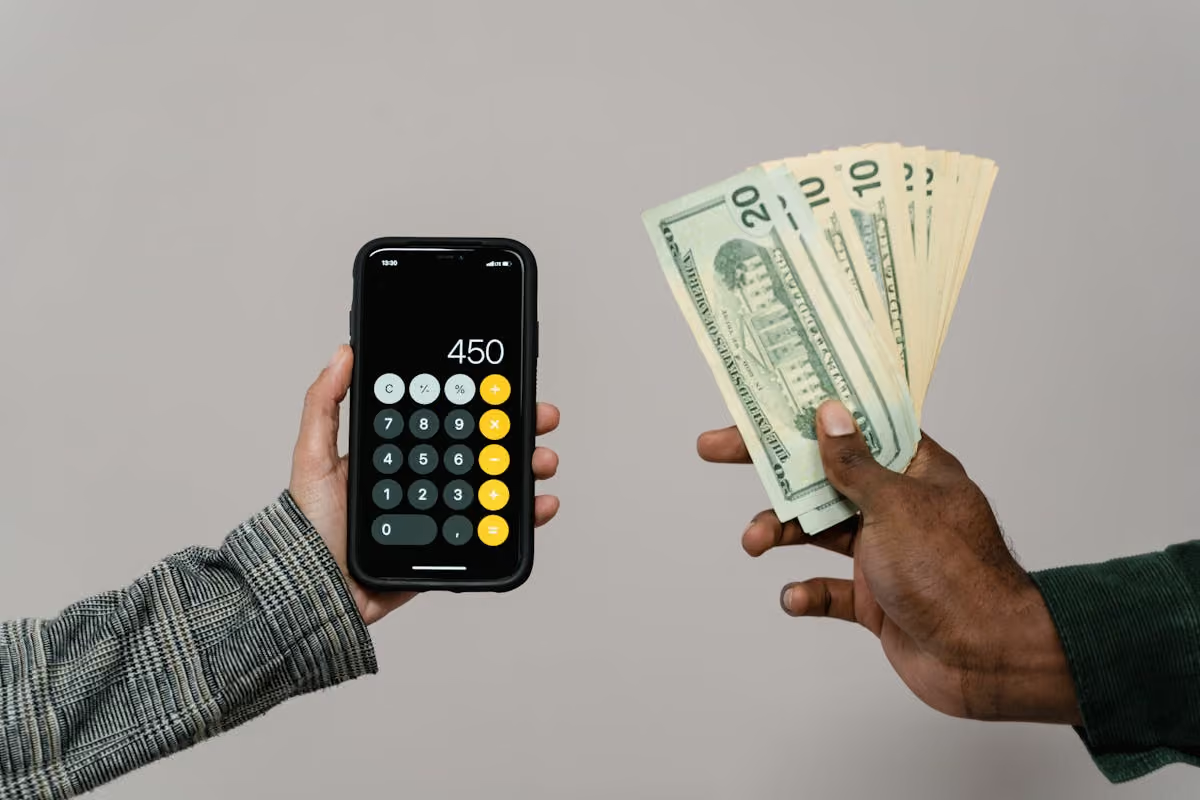
Platform commissions have been steadily climbing. Airbnb charges hosts 3-5% per booking (with guests paying an additional 14-16% service fee), while Booking.com takes 15-18% from hosts. For a property generating $50,000 annually, that's $7,500 to $9,000 going straight to platforms. Direct bookings eliminate these fees entirely.
Beyond the financial argument, direct bookings give you something even more valuable: control over your guest relationship. When guests book through OTAs, the platform owns the relationship. You can't email them freely, you can't build a loyalty program, and you're subject to the platform's ever-changing algorithms and policies.
Let's look at concrete savings across different portfolio sizes. These calculations assume an average OTA commission of 15% (blending Airbnb's host+guest fees with Booking.com's host-only model).
The math is clear: even a modest 25% direct booking rate pays for the entire investment many times over. And unlike OTA commissions, your direct booking infrastructure is an appreciating asset, your website, email list, and brand equity grow over time while commissions simply vanish.
Building a direct booking channel isn't about choosing between OTAs and your own website. It's about creating a balanced distribution strategy where direct bookings complement your platform presence. Here are the essential components.
Your website is the foundation. It needs to look as trustworthy and polished as an Airbnb listing, if not more so. Guests who find your property on a platform will often Google your brand. If your website looks outdated or unprofessional, they'll book through the OTA where they feel safer.
Key elements of a high-converting vacation rental website:
Several platforms make it relatively straightforward to build a direct booking site: dedicated direct-booking website builders, full property management systems (for larger operators), or even WordPress with a booking plugin. The choice depends on your portfolio size and technical comfort.
To set up direct booking in Nowistay, see the guides for your website and for manually entered bookings with payment requests: How to set up direct booking on your website ; How to add manual bookings and request payment.
Here's the uncomfortable truth: guests have no inherent reason to book directly with you. Airbnb offers buyer protection, easy cancellation, and a familiar checkout process. You need to create a value proposition that makes direct booking the obvious choice.
Proven incentives that work:
The biggest barrier to direct bookings is trust. When someone books through Airbnb, they trust the platform. When they book through your website, they need to trust you.
Building trust requires multiple signals:

Having a beautiful website means nothing if nobody finds it. Here are the most effective channels for driving direct booking traffic.
This is the lowest-hanging fruit. Create a Google Business Profile for each property or for your management brand. Optimize it with high-quality photos, accurate information, and regular posts. When guests search your property name or your brand, your direct booking site should appear prominently.
Advanced Google Business Profile tactics:
Target location-specific keywords that travelers actually search for: "vacation rental in [city/neighborhood]", "family-friendly apartment near [landmark]", "pet-friendly cabin in [region]". These long-tail keywords are less competitive than generic terms and attract high-intent traffic.
Local SEO is where small operators can outperform major OTAs. Here's how:
Add structured data (schema.org markup) to your website so Google understands your content. Key schema types for vacation rentals:
Schema markup won't directly boost rankings, but it dramatically improves click-through rates by making your search result stand out with star ratings, pricing, and availability information.
Publish content that matches what travelers search for:
Your past guests are your warmest leads. Build an email list from every direct interaction and send periodic newsletters with:
A simple email sequence, post-stay thank you, 3-month check-in, seasonal promotion, can generate a steady stream of repeat bookings.
Instagram and Facebook are natural fits for vacation rentals. High-quality property photos, guest stories, local recommendations, and behind-the-scenes content all build your brand. Include a booking link in your bio and use Instagram Stories to showcase availability.
Use OTAs as a discovery channel, then convert guests to direct bookers for their second stay. After checkout (and within platform rules), include a card or message mentioning your direct booking site. Your digital welcome book is an excellent vehicle for this, guests interact with it during their stay and naturally discover your brand.
Here's a fact most hosts overlook: the speed and quality of your response to an inquiry is the single biggest factor in converting a website visitor into a booking. Studies in the hospitality industry show that responding within 5 minutes increases conversion rates by up to 400% compared to responding within an hour.
On Airbnb, travelers already trust the platform. On your direct site, every interaction is a trust-building opportunity. A quick, helpful, personalized reply signals professionalism and reliability. A slow or generic reply sends travelers back to the OTA.
Travelers browse and inquire at all hours, evenings, weekends, holidays. If your direct site inquiry sits unanswered for 12 hours while you sleep, that's a lost booking. This is exactly where an AI-powered chatbot transforms your conversion rate:
Not every inquiry converts immediately. Implement a follow-up sequence for website inquiries:
This kind of thoughtful, timely communication converts significantly more inquiries into bookings, and it's all automatable.
Repeat guests are the holy grail of direct bookings. They cost nothing to acquire, they know your property, and they leave better reviews. A simple loyalty program can dramatically increase your repeat booking rate.
Don't over-engineer your loyalty program. A straightforward structure works best:
Communicate these benefits clearly during checkout and in your post-stay emails.
When a guest returns, remember their preferences. Did they request extra towels? Prefer a specific check-in time? Mention a birthday during their stay? Small personal touches transform a transaction into a relationship. This is where having a good guest management system becomes essential: it stores these details so you can personalize every interaction.
Running direct bookings requires a few tech tools working together:
The key principle: your direct booking channel should offer guests the same seamless experience they get on major platforms, instant confirmation, clear communication, and professional service.

Many hosts stumble when launching direct bookings. Here are the pitfalls to watch for:
Track these metrics to gauge your progress:
Building a direct booking channel is a marathon, not a sprint. Don't expect overnight results. Start by creating a professional website, offer a genuine incentive to book direct, and use every guest interaction as an opportunity to build your brand.
The most successful property managers in 2026 aren't choosing between OTAs and direct bookings, they're mastering both. OTAs bring discovery and trust. Direct bookings bring margins, relationships, and independence. Together, they create a resilient, profitable vacation rental business.
Direct bookings start with amazing guest communication. Let AI handle the rest.
Get started

Over 25 years of experience in real estate investing and a recognized expert in short-term rental automation. Bassel helps property managers increase revenue, cut operating costs, and deliver 5-star guest experiences using AI-powered tools he built from firsthand hosting experience.