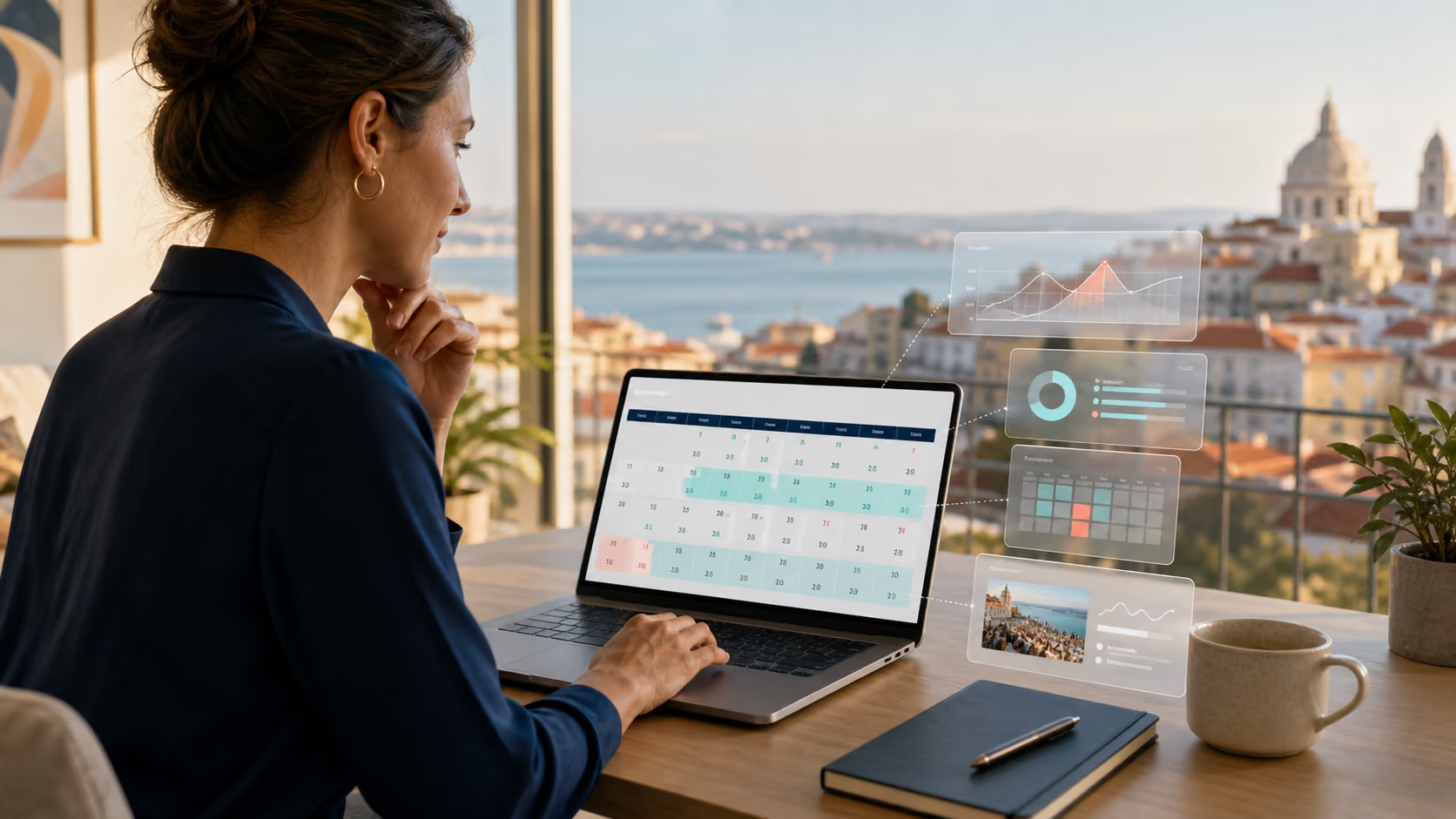
The rise of remote work has created an entirely new category of traveler: the digital nomad. These guests stay 30 to 90 days, pay reliably, treat properties well, and are less seasonal than traditional tourists. Yet most vacation rental hosts are leaving this market untapped. Here's how to position your property for the mid-term rental boom.

Nowistay's AI co-host handles guest communication throughout their entire stay, from check-in to checkout.
Start free trialSomething fundamental has shifted in the travel and accommodation market. Remote work isn't a pandemic novelty anymore—it's a permanent fixture. According to recent data, over 40 million Americans now work remotely at least part-time, and Europe's digital nomad population has grown by 150% since 2020.
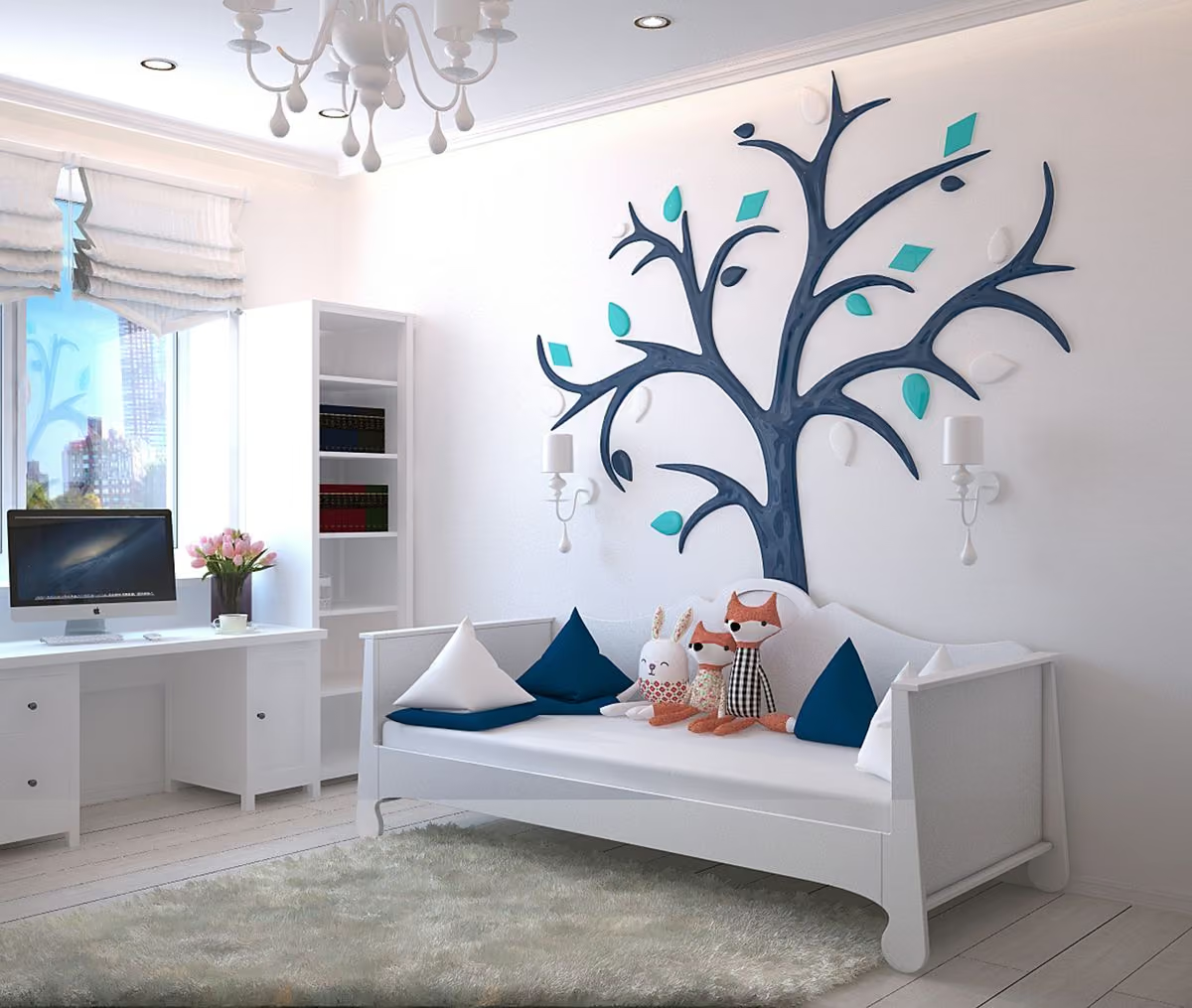
These workers don't need a hotel for a weekend. They need a comfortable, well-equipped home for one to three months. They want fast WiFi, a proper desk, a quiet environment, and the feeling of actually living in a place—not just visiting it.
For vacation rental hosts, this segment offers compelling advantages:
Understanding your audience is essential for attracting them. Digital nomads aren't a monolithic group.
Typically aged 25-40, working as a developer, designer, writer, or consultant. They move every 1-3 months, prioritize affordable cost of living, and are extremely WiFi-dependent.
Employed full-time by a company with a remote-first or hybrid policy. Higher budget, more predictable schedule, often traveling with a partner or family.
Taking 3-12 months off to travel and explore. May or may not be working. Seeks unique experiences, local immersion, and comfortable living.
Staying 1-3 months in a new city to decide if they want to move there permanently. Needs a furnished, livable space that feels like a real home.
Use this comprehensive checklist to ensure your property meets the expectations of digital nomads and remote workers. Properties that check every box command premium mid-term rates.
This is the single most important amenity for remote workers. Minimum 100 Mbps download speed, ideally with a backup connection. Test your WiFi regularly and include speed test results in your listing.
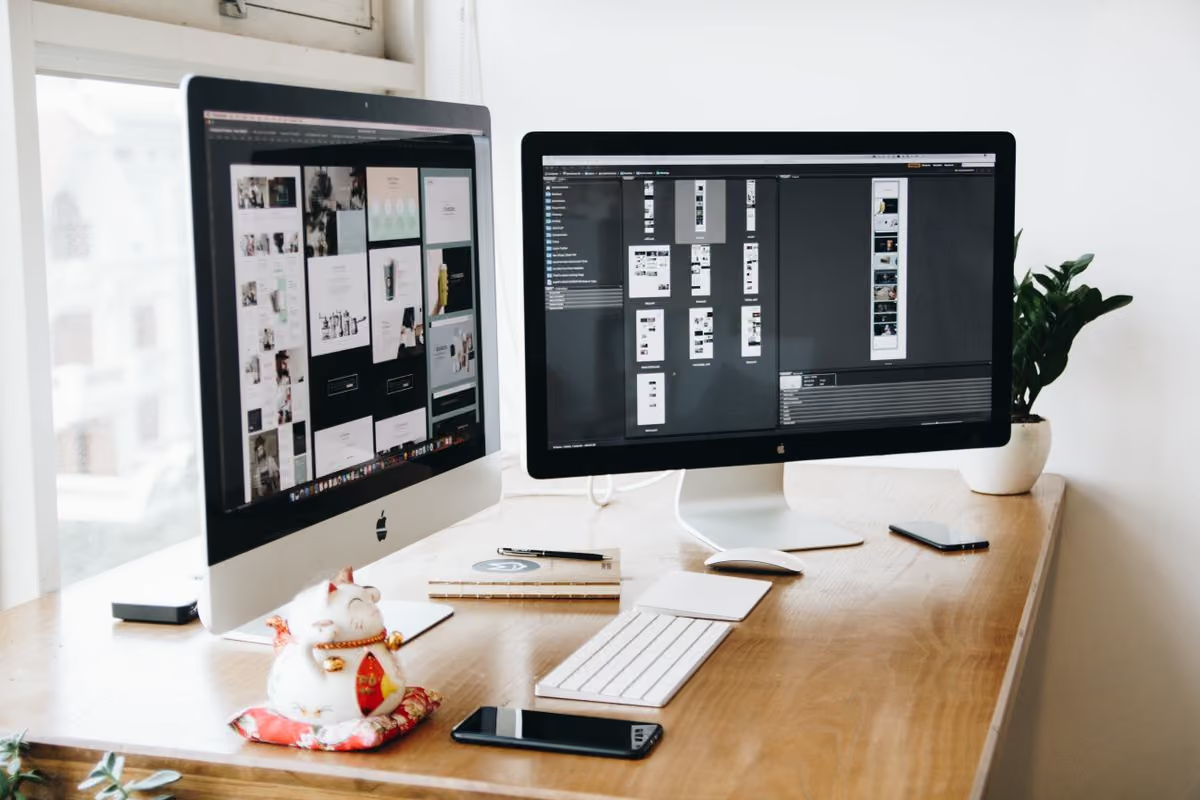
A proper desk and ergonomic chair aren't optional—they're essential. The workspace should have:
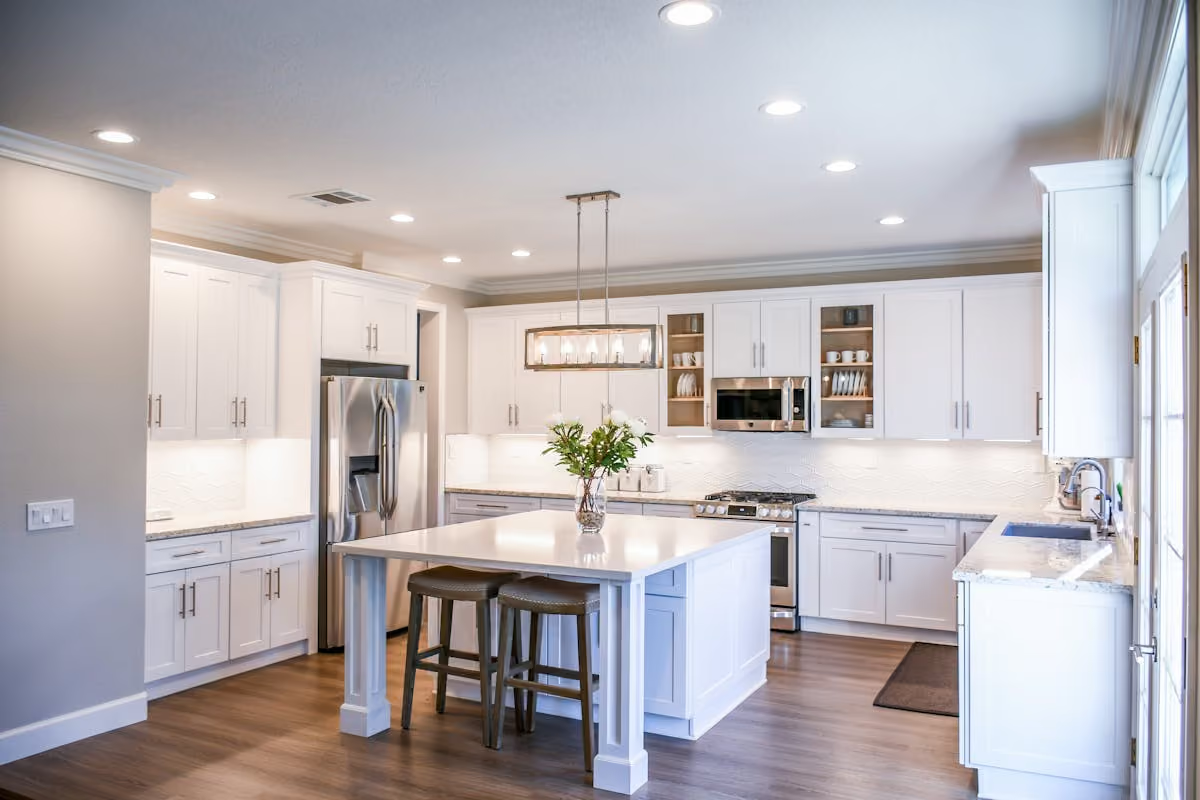
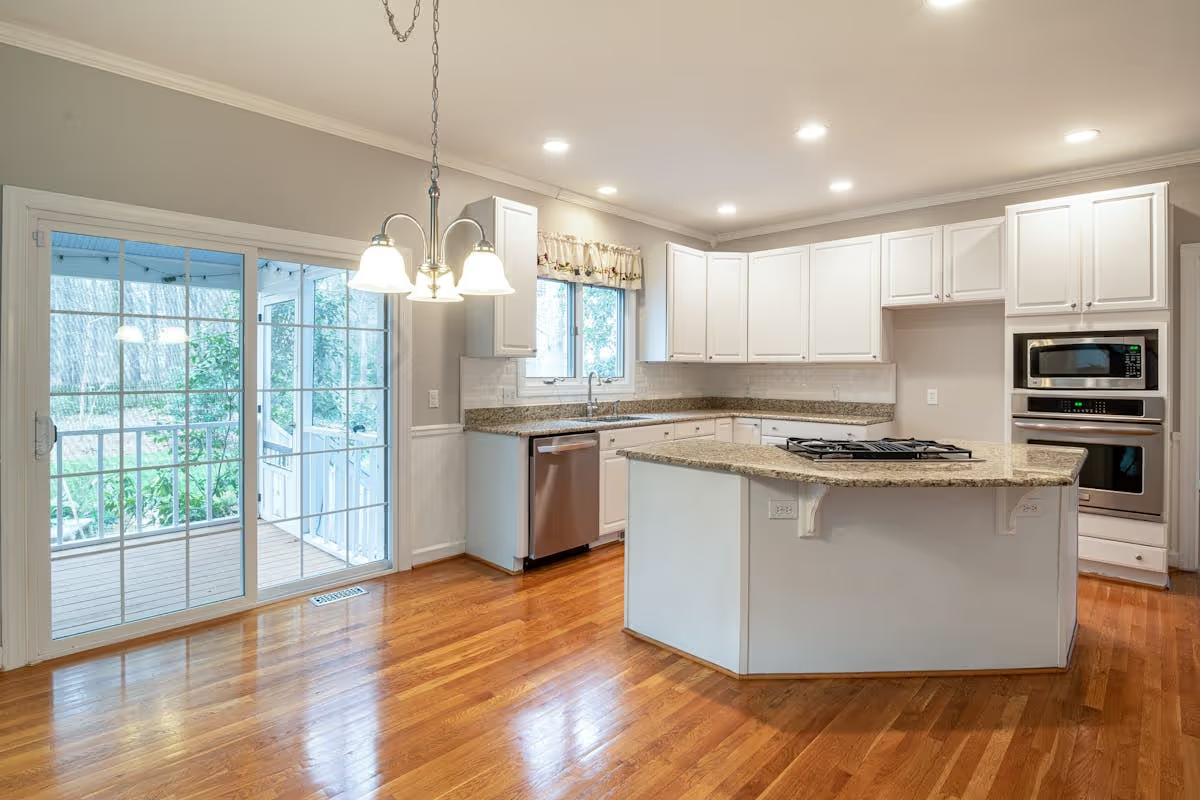
Long-stay guests cook most of their meals. Your kitchen should include quality cookware, sharp knives, a coffee maker, basic spices and oils, a dishwasher if possible, and adequate food storage.
An in-unit washer and dryer (or at minimum a washer) is practically mandatory for stays over two weeks.
The standard approach is offering a significant discount for longer stays:
This may seem steep, but remember: you're saving on cleaning fees, turnover costs, OTA commissions, and vacancy risk. A 40% monthly discount on a property that earns $150/night means $2,700/month—guaranteed income with minimal management overhead.
Some hosts prefer to set a flat monthly rate competitive with local furnished apartment rentals. Your advantage: fully furnished, flexible terms, no long-term lease commitment, and utilities included.
Beyond the standard platforms, several specialized sites cater specifically to mid-term and nomad travelers:
Include these terms naturally: "remote work friendly", "high-speed WiFi" with actual speed, "dedicated workspace", "monthly stays welcome", "long-term discount available", "fully equipped kitchen".
When someone is moving in for a month or more, the welcome book becomes even more important. Include local grocery stores, pharmacies, gyms, coworking spaces, and public transport options.
Don't disappear after check-in. A weekly check-in shows you care without being intrusive. An AI co-host can handle these touchpoints automatically.
Things break during extended stays. A fast, professional response to maintenance requests is critical for long-stay guest satisfaction.
The most successful mid-term rental hosts don't just fill beds—they build a community that generates repeat bookings and referrals. Digital nomads are deeply networked, and word-of-mouth within nomad communities is incredibly powerful.
Start a private Facebook group, WhatsApp community, or Slack channel for past and current guests. Share local tips, event recommendations, and exclusive offers. This costs nothing but creates a direct line to your most valuable audience.
Many digital nomads follow seasonal patterns—returning to favorite cities year after year. Offer returning guests a 5-10% loyalty discount and priority booking for peak dates. A nomad who stays with you for 2 months every winter is worth more than a dozen one-week tourists.
Nomads recommend places to other nomads constantly—in Slack groups, coworking spaces, and online forums. Incentivize this:
Active participation in digital nomad spaces generates organic awareness:
If you manage multiple properties or have common areas, hosting a monthly coffee meetup or welcome dinner for current long-stay guests creates memorable experiences that get shared on social media and in nomad communities. These micro-events cost almost nothing but generate disproportionate loyalty and word-of-mouth.
The digital nomad market isn't a trend—it's a structural shift in how people work and travel. Property managers who position themselves for this segment now will build a competitive advantage that compounds over time through direct bookings, repeat guests, and word-of-mouth referrals within nomad communities.
Start small: upgrade your WiFi, add a proper workspace, offer a monthly discount, and list on one nomad-focused platform. Then let the results speak for themselves.
Digital nomads expect fast, reliable communication. Let AI handle it 24/7.
Get started

Over 25 years of experience in real estate investing and a recognized expert in short-term rental automation. Bassel helps property managers increase revenue, cut operating costs, and deliver 5-star guest experiences using AI-powered tools he built from firsthand hosting experience.