Eco-Friendly Vacation Rentals: How Sustainable Hosting Boosts Bookings
Sustainability isn't just good ethics—it's good business. A growing segment of travelers actively seeks eco-friendly accommodation, and they're willing to pay more for it. Platforms like Airbnb and Booking.com now highlight sustainable properties. Here's how to make your vacation rental greener, attract eco-conscious guests, and reduce operating costs in the process.
Go digital with your welcome book and reduce waste
Replace printed guides with a digital welcome book. Better for guests, better for the planet.
The business case for sustainable vacation rentals
Let's set aside the environmental argument for a moment and talk numbers. Sustainable hosting isn't just the right thing to do—it's increasingly the profitable thing to do.
According to Booking.com's 2025 Sustainable Travel Report, 76% of travelers say they want to travel more sustainably. More importantly, 43% are willing to pay more for eco-friendly accommodation. Airbnb's own data shows that listings with eco-friendly badges receive 12-18% more views than comparable non-badged listings.
Beyond demand, sustainable practices directly reduce operating costs. LED lighting, smart thermostats, water-efficient fixtures, and solar panels all cut utility bills. Digital welcome books eliminate printing costs. Bulk amenities replace single-use plastic purchases.
Getting certified: eco-labels that matter
Airbnb's eco-friendly category
Airbnb has introduced sustainability filters and categories. To qualify, properties need to demonstrate specific green practices: energy-efficient appliances, renewable energy usage, recycling facilities, and water conservation measures.
Booking.com's sustainability program is the most structured and impactful badge you can earn. It's free, highly visible in search results, and improves your ranking. Here's exactly how to get it:
Step 1: access the program
Log into your Booking.com Extranet. Navigate to Property > Sustainability. Click "Get started" to begin the questionnaire.
Step 2: complete the questionnaire
Answer questions across five categories:
Waste: recycling bins, elimination of single-use plastics, bulk amenities, digital check-in/welcome book
Energy: LED lighting (100% of bulbs), smart thermostat, energy-efficient appliances (A++ or above), renewable energy sources
Nature: organic or locally sourced food/amenities, green space with native plants, wildlife-friendly practices
Community: local hiring, partnerships with local businesses, cultural experiences, accessibility features
Step 3: reach the threshold
You need a minimum number of implemented practices to qualify. The badge has three levels:
Level 1: entry-level sustainability (easiest to achieve—most properties qualify by implementing 5-8 basic practices)
Level 2: intermediate sustainability (requires 10-15 practices across multiple categories)
Level 3: advanced sustainability (comprehensive implementation across all five categories)
Step 4: submit and display
Once you meet the threshold, your badge appears automatically in search results. Update your listing to highlight your sustainability practices in the description and photos.
Pro tip: even if you only qualify for Level 1, start there. You can upgrade as you implement more practices. The badge visibility boost is immediate regardless of level.
Third-party eco-certifications
Green Key: international eco-label recognized in 65+ countries
EU Ecolabel: European Union's official environmental certification
EarthCheck: science-based certification with rigorous auditing
Green Tourism: UK and Ireland-focused sustainable tourism certification
Practical sustainability upgrades for your property
You don't need to retrofit your entire property overnight. Start with high-impact, low-cost changes.
Energy efficiency
LED lighting: replace all bulbs with LEDs. They last 25x longer and use 75% less energy. ROI: months, not years.
Smart thermostat: devices like Nest or Ecobee learn patterns and optimize heating/cooling. They also let you manage temperature remotely between guests.
Energy-efficient appliances: when replacing appliances, choose A+++ rated models.
Insulation: proper window sealing and insulation reduce heating/cooling costs by 20-30%.
Solar panels: increasingly affordable with government incentives. Can reduce electricity bills by 50-80%.
Water conservation
Low-flow showerheads and faucets: reduce water usage by 30-50% with no noticeable impact on guest experience.
Dual-flush toilets: simple upgrade that halves toilet water consumption.
Drought-resistant landscaping: if your property has a garden, choose native plants.
Clear water usage instructions: your digital welcome book can include friendly reminders about water conservation.
Waste reduction
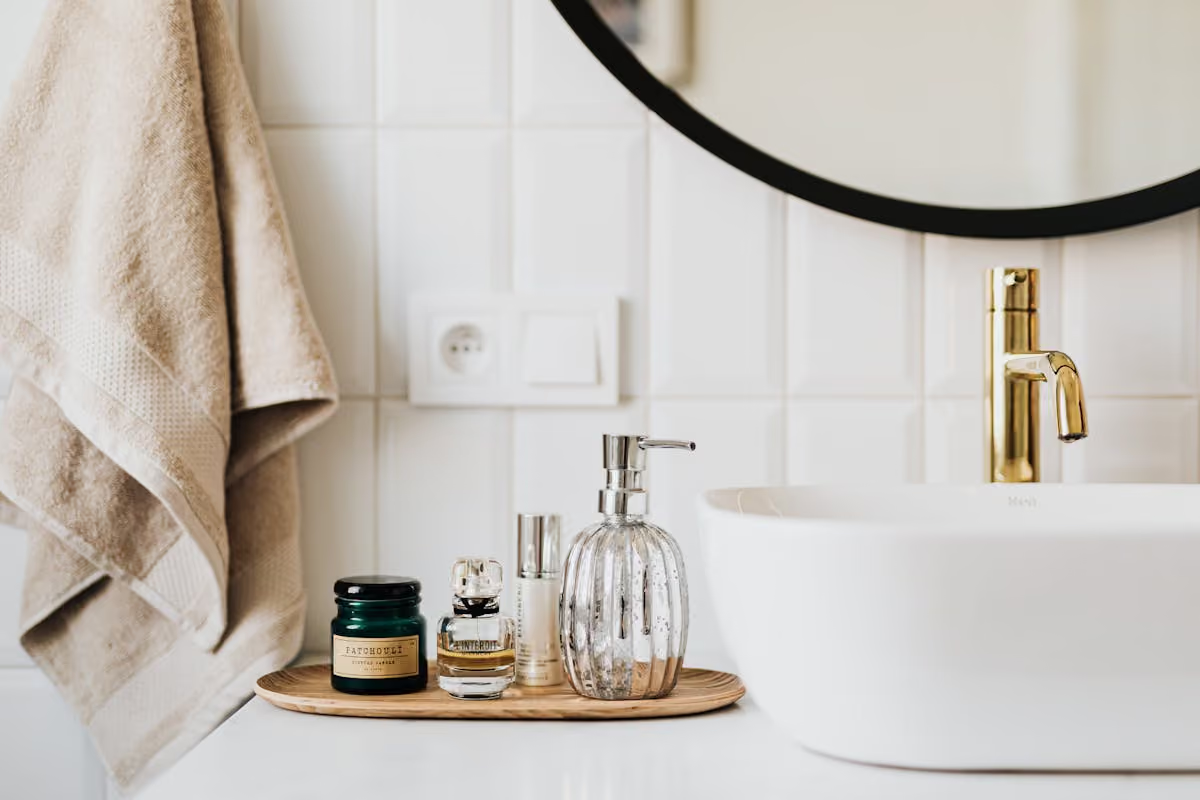
Eliminate single-use plastics: replace individual shampoo bottles with refillable dispensers.
Clear recycling system: labeled bins for recycling, compost, and general waste.
Bulk amenities: buy cleaning supplies, soaps, and kitchen basics in bulk. Less packaging, lower cost per unit.
Digital over paper: replace printed welcome books with a digital welcome booklet. It's better for guests and eliminates paper waste entirely.
Sustainable sourcing
Organic bedding and towels: organic cotton lasts longer and feels premium.
Local and fair-trade welcome gifts: a locally made welcome basket supports the local economy.
Sustainable furniture: choose sustainably sourced materials or high-quality second-hand pieces.
Cost vs. savings breakdown for common green upgrades
One of the biggest hesitations about going green is the upfront cost. Here's a realistic breakdown of what popular upgrades actually cost—and how quickly they pay for themselves.
LED lighting (entire property)
Upfront cost: $50-150 (for 20-40 bulbs)
Annual savings: $100-200 on electricity
Payback period: 3-6 months
Lifespan: 15-25 years
Verdict: the easiest win. Do this first.
Smart thermostat
Upfront cost: $150-300 (Nest, Ecobee, or Tado)
Annual savings: $150-400 (prevents heating/cooling empty property between guests)
Payback period: 6-12 months
Bonus: remote management between turnovers, guest comfort automation
Verdict: second-best ROI after LEDs. Essential for properties with high energy costs.
Low-flow fixtures (showerheads + faucet aerators)
Upfront cost: $30-80
Annual savings: $80-200 on water bills
Payback period: 2-6 months
Verdict: almost invisible to guests, immediate savings.
Solar panels
Upfront cost: $8,000-20,000 (before incentives); $4,000-10,000 after subsidies
Annual savings: $1,200-3,000 on electricity
Payback period: 4-8 years (varies by location and incentives)
Lifespan: 25-30 years
Verdict: significant upfront investment but massive long-term ROI. Best for properties you own long-term.
Annual savings: $100-300 (printing, laminating, updating paper guides)
Payback period: immediate
Bonus: always up-to-date, accessible on guest's phone, multilingual
Verdict: better for guests AND the environment. No reason not to switch.
Bottom line: a property implementing all low-cost upgrades (LEDs, low-flow fixtures, dispensers, digital welcome book, smart thermostat) spends approximately $300-650 upfront and saves $600-1,300 annually. That's a payback period of under 6 months with ongoing savings every year after.
Marketing your eco-friendly property
Listing optimization
Include sustainability features prominently in your listing:
Mention eco-friendly practices in your title or first paragraph
List specific green features in amenities (solar panels, EV charger, recycling)
Upload photos showing sustainable features
Reference your eco-certifications and platform badges
The welcome experience
When guests arrive, reinforce your sustainability commitment:
A brief sustainability section in your welcome book
Clear, friendly recycling and composting instructions
Information about local sustainable transport (bike rentals, public transit, EV charging)
Suggestions for local eco-tourism activities
Social media storytelling
Sustainability is inherently shareable content. Document your eco-journey on social media: before/after of green upgrades, local supplier partnerships, seasonal garden photos, energy savings data.
Guest communication about sustainability: getting the tone right
How you talk about your eco-friendly practices matters as much as the practices themselves. The wrong approach feels preachy or restrictive. The right approach feels premium and thoughtful.
The golden rule: inform, don't instruct
Guests are on vacation. They don't want to feel lectured. Frame sustainability as something you've done for them, not something you're asking of them.
Instead of: "Please limit showers to 5 minutes to conserve water"
Say: "Our rainfall showerheads deliver a luxurious experience while using 40% less water—enjoy!"
Instead of: "Do not use the heating unnecessarily"
Say: "Our smart thermostat keeps the temperature perfect automatically. Just set your preference and relax."
Instead of: "Separate your waste into the correct bins"
Say: "We've made recycling easy with our color-coded bins in the kitchen—blue for recycling, green for compost, gray for general waste."
Where to communicate sustainability
Listing description: 1-2 sentences in the property highlights. Focus on guest benefits ("solar-powered for guilt-free comfort")
Pre-arrival message: brief mention that the property is eco-friendly, framed as a feature
Digital welcome book: a dedicated sustainability section with practical info (recycling, transport, local eco-activities). An AI co-host can deliver this automatically at check-in
In-property signage: small, tasteful labels near recycling bins and smart home controls. Think boutique hotel, not classroom poster
Post-stay message: "Thanks for being part of our sustainability mission. During your stay, you helped save X liters of water and Y kWh of energy." (Use smart meter data if available)
Handling guest questions about sustainability
Eco-conscious travelers will ask about your practices. Be specific and honest:
"What percentage of your energy comes from renewables?" — have the actual number ready
"What cleaning products do you use?" — name the brands
"Where do you source your amenities?" — mention local suppliers by name
Authenticity matters more than perfection. Saying "we're 60% solar and working toward 100%" is more credible than vague claims about being "green."
The guest experience: making sustainability feel premium
Sustainability should enhance the guest experience, not detract from it. Guests should feel like they're staying somewhere better, not somewhere restrictive.
What works
Organic, high-thread-count bedding (sustainable AND luxurious)
Locally sourced welcome basket with artisan products
Refillable designer soap dispensers
Smart home features that feel modern (smart thermostat, automated lighting)
A beautiful garden with native plants (lower maintenance AND more attractive)
What doesn't work
Guilt-tripping guests about water or electricity usage
Removing comforts in the name of sustainability
Overly restrictive rules that make guests feel policed
Poor-quality eco products that feel like downgrading
The best sustainable properties feel premium and thoughtful, not sacrificial.
Financial incentives for green hosting
Solar panel subsidies: up to 30-50% of installation costs in many EU countries and US states
Energy efficiency grants: for insulation, window upgrades, and heat pump installations
EV charger incentives: tax credits and grants for installing electric vehicle charging points
Green renovation tax deductions: many jurisdictions allow deducting eco-upgrades from rental income
Measuring your sustainability impact
Utility costs: compare monthly electricity and water bills before and after upgrades
Guest satisfaction: monitor reviews mentioning sustainability, cleanliness, or modern amenities
Booking conversion: compare inquiry-to-booking rates before and after adding eco-certifications
Waste volume: measure trash versus recycling/compost ratios
Final thoughts
Eco-friendly vacation rental hosting is at an inflection point. Early adopters are already seeing the benefits: higher bookings, better reviews, lower operating costs, and stronger brand differentiation. As traveler expectations shift and platform algorithms increasingly favor sustainable properties, the gap between green and non-green listings will only widen.
You don't need to become carbon-neutral overnight. Start with the easy wins—LED bulbs, digital welcome books, bulk amenities, recycling bins—and work your way up to bigger investments like solar panels and smart home technology. Every step counts, both for your bottom line and for the planet.
Automate your eco-friendly guest communication
Nowistay's AI co-host delivers digital house guides and eco tips automatically.
Over 25 years of experience in real estate investing and a recognized expert in short-term rental automation. Bassel helps property managers increase revenue, cut operating costs, and deliver 5-star guest experiences using AI-powered tools he built from firsthand hosting experience.