A guest finds you on a platform, has a great stay, and you never hear from them again, while the platform takes a second commission next time. The fix is a flywheel: a repeat guest who books direct is worth an estimated 3-5x a first-time platform guest at near-zero acquisition cost. This guide covers the economics, what the platforms actually allow, the legitimate levers that turn a one-time OTA booking into a direct relationship, how to design the incentive, and the automated re-engagement sequence that brings guests back.

Sign up free. Nowistay connects the whole loop: a branded welcome guide that points to your direct site, an automatic guest base from every booking, a secondary WhatsApp channel to schedule the post-checkout return message, and a copy-paste direct-booking widget that runs the booking engine on your own website. $12 per property per month after the trial.
Start free trialA guest finds your listing on a booking platform, stays four nights, leaves a five-star review, and you never hear from them again. The next time they visit your city they search the same platform, maybe find you, maybe find a competitor, and either way the platform takes its commission a second time on a guest you already earned. This is the quiet leak in almost every hosting operation: the relationship ends at checkout, and the lifetime value of a happy guest evaporates instead of compounding.
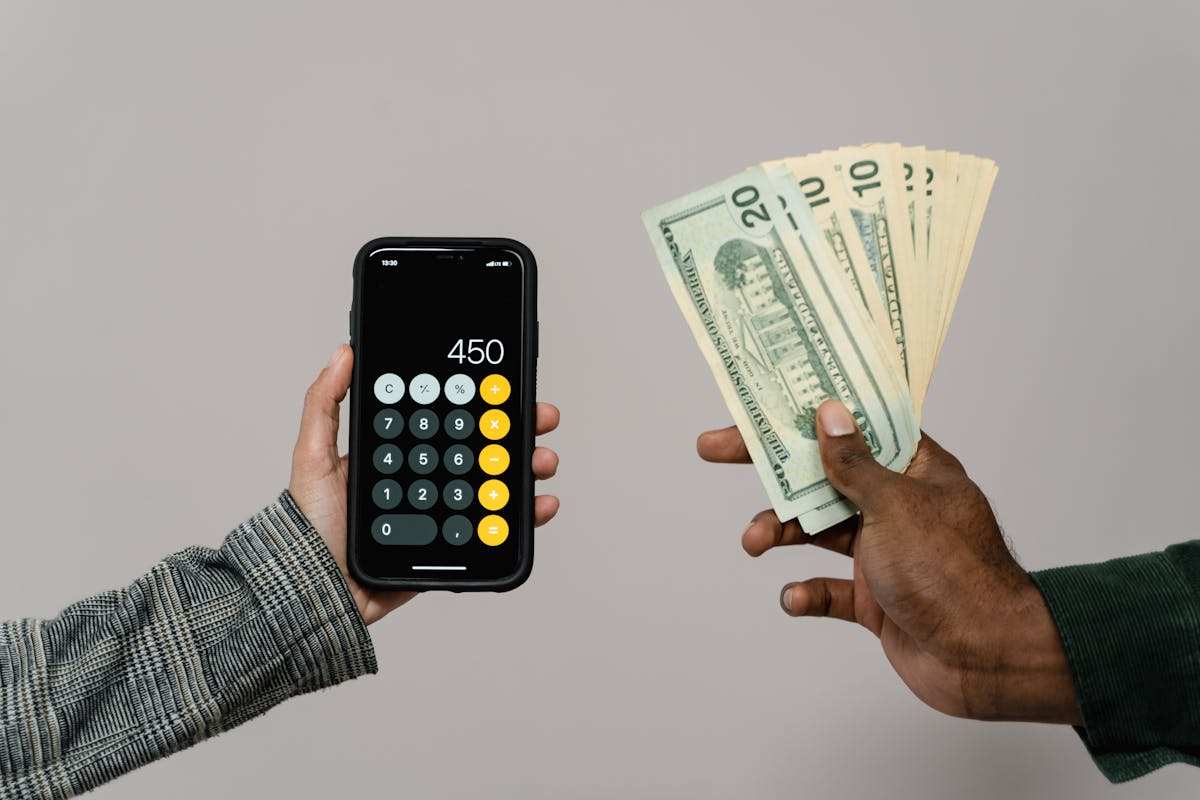
The fix is a flywheel. A guest who books direct the second time is worth far more than the first: no commission, a relationship you own, and a much higher chance of a third and fourth stay. Industry estimates put the lifetime value of a repeat direct guest at three to five times a first-time platform guest, at a fraction of the acquisition cost. This guide covers the economics of the repeat guest, what the platforms actually allow when it comes to converting them, the legitimate levers that turn a one-time OTA booking into a direct relationship, how to design the incentive, and the automated re-engagement sequence that brings them back without you lifting a finger.
Three numbers make the case:
The flywheel effect is the point. Each happy guest who comes back direct funds a lower dependence on the platforms, which funds better margins, which funds a better guest experience, which produces more repeat guests. It compounds, but only if you build the loop deliberately.
This is where hosts get nervous, and where the rules matter. The platforms protect the booking they brokered, but they do not own the guest forever. The practical boundaries:
The line is straightforward: do not redirect the platform's booking, do not abuse platform data, do build a brand and a consent-based relationship that lets the guest choose to come back direct. The conversion happens after the stay, through channels you own, with permission you obtained legitimately.
Nothing converts a guest like a stay that beats their expectations. Fast replies, a spotless unit, thoughtful touches, and a frictionless check-in are the foundation. No re-marketing rescues a mediocre stay, and an excellent one half-sells the next booking on its own.
A welcome guide carrying your property's brand (not just the platform's) plants the seed that this is your place, bookable beyond the platform. Done well, it includes your direct site, so a guest who loved the stay knows exactly where to find you next time. This is delivered to an in-house guest as part of their stay, which is squarely within the rules.
The single highest-leverage lever. Capture the guest's email with clear consent during the stay, for the welcome guide, the check-in details, or a verification step, and you have a permission-based channel to reach them again. Without an email, every other lever is weaker, because you are relying on the guest to remember and re-find you.
A short, genuine thank-you after checkout (separate from the platform review request) is the natural moment to mention that they can book direct next time, often at a better rate than the platform. It lands when the experience is freshest.
All the re-marketing in the world fails if the direct-booking experience is clunky. A clean booking page, real-time availability, secure payment, and the same smooth check-in the guest already trusts are what turn intent into a completed direct booking.
A returning guest needs a reason to book direct rather than default back to the platform. Three approaches, in rough order of effectiveness:
The mistake to avoid is discounting so deeply that the direct booking nets less than the platform booking would have. Calculate the commission you save, and price the direct incentive inside that margin so both you and the guest come out ahead.
A converted guest is not converted by a single message. The repeat booking comes from staying gently present until the next trip materializes. A simple, automated cadence:
The cadence is deliberately light. The goal is to be the obvious, easy choice when the guest decides to travel, not to flood them. Every message must respect consent and include an easy unsubscribe.
A digital guidebook carrying the property brand and a link or code to the direct site. The seed-planting layer. Effective at awareness, weaker on its own at conversion without an email to follow up.
An email-marketing tool plus a manually built sequence. Powerful but requires the host to wire up capture, consent, and the drip, and to keep it running. Breaks when neglected.
Discount codes or tiers for past guests. Effective for repeat-heavy markets, more to administer, and only as good as the channel that delivers the offer.
The destination the whole flywheel points to. Essential, but on its own it is just a page, the traffic has to be driven to it by the other levers.
The advantage of a single platform is that the in-stay experience, the branded guide, the consent-based email capture, the post-stay sequence, the direct booking page, and the direct-booking discounts all connect, so a guest flows from platform booking to direct relationship without the host stitching five tools together.
Nowistay connects the whole loop on one platform. The branded digital welcome guide carries the property's identity and a place to point guests to your own direct site, delivered to every guest as part of their stay. And because every booking with an email or phone becomes a record in your guest base, you build a list of past guests you can reach out to later, through your own channels and within the consent rules of your market.
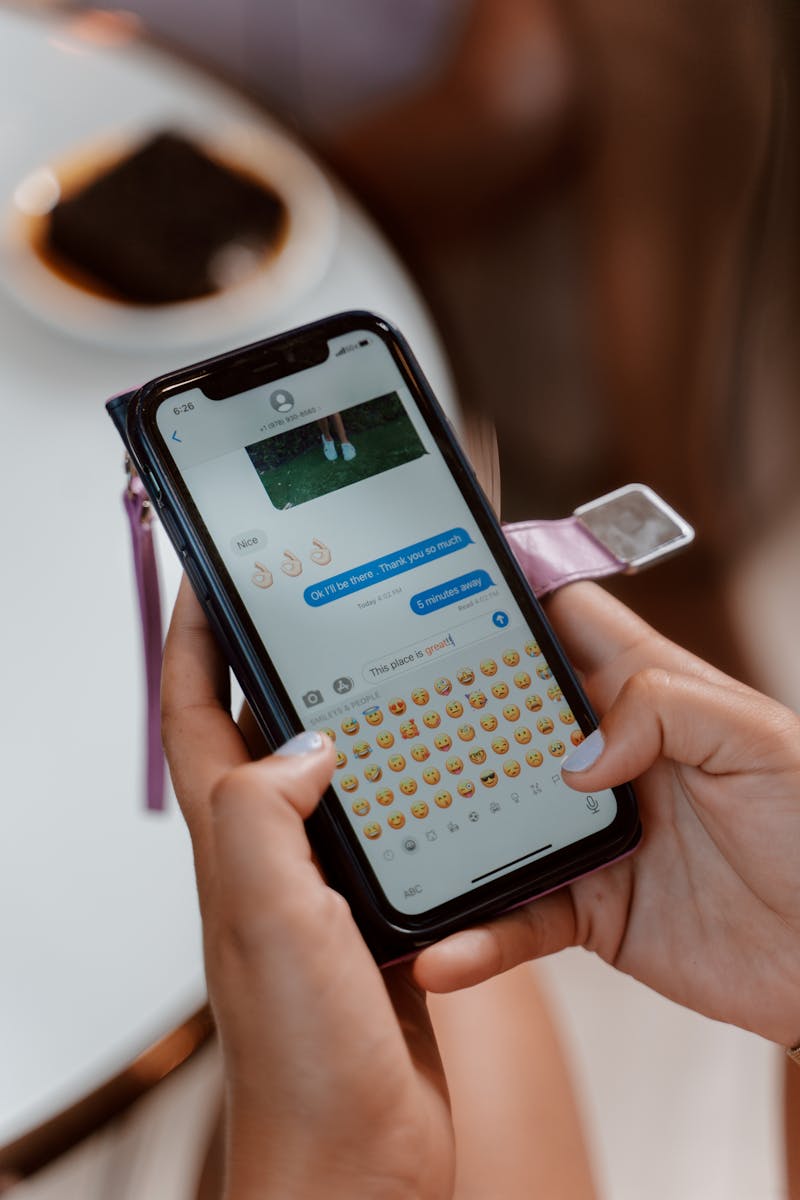
Re-engagement runs on a full secondary WhatsApp channel, separate from the platform inbox, so the host can schedule a message to land a few days after checkout, on the channel guests actually read. WhatsApp open rates dwarf email, which makes it the strongest place to deliver the return offer. And because the AI co-host answers automatically on WhatsApp, when a guest replies to the return message with a question about dates, availability, or the direct rate, they get an immediate answer rather than waiting for the host. That instant response is often what converts the reply into a completed direct booking: the intent is captured while it is hot, instead of cooling off in the hours or days it would take the host to get back to them.
The host's own direct booking website is part of the setup, not a separate project. Nowistay provides a copy-paste direct-booking widget that drops onto any website and runs the entire booking engine behind it, real-time availability, payment, and confirmation, so the host has a real direct channel to point guests to. The scheduled WhatsApp message pushes the guest straight to that site.
For the incentive, the host has two concrete levers, and can use either or both:
The same smooth check-in and welcome experience the guest already trusted carries over to the direct booking, so it is never a downgrade from the platform stay.
The AI connector turns the flywheel from a set-and-forget cadence into something you can actively work. A host who has connected Claude or ChatGPT to Nowistay through the MCP server (see how to manage your vacation rental from ChatGPT, Claude, or Gemini) can ask: "Which past guests stayed around this time last year and have not booked since, and draft a personalized return offer for each." The assistant reads the guest history, finds the win-back candidates, and drafts the outreach for the host to approve and send. Run as a recurring weekly task, it keeps the repeat-booking engine turning without the host having to remember anyone. Whether you build the flywheel through Nowistay or by stitching a guidebook, an email tool, and a booking widget together, the levers above, the experience, the brand, consent-based capture, the follow-up sequence, the incentive, and a direct channel that works, are the test for converting platform guests into repeat direct bookings.
Sending direct-booking links through platform messaging or steering guests off-platform before they book risks suspension and is not worth it. Convert after the stay, through channels you own, with consent.
Without a consent-based email, you are relying on the guest to remember and re-find you. The capture step is the foundation of the whole loop.
Discounting below the commission you save means the direct booking nets less than the platform one would have. Price the incentive inside the saved-commission margin.
If booking direct is harder than booking on the platform, the guest defaults back to the platform. The direct path has to be at least as smooth.
One thank-you and then nothing means the guest forgets. The light, automated cadence is what keeps you the obvious choice when they travel again.
The flywheel is slow to start and hard to stop once it turns. The first repeat direct booking feels minor. A year in, a meaningful share of your bookings arrive commission-free from guests who already love the place, and the platforms become a way to acquire new guests rather than the only way you get booked at all.
Sign up free. Connect ChatGPT or Claude to Nowistay through the MCP server and ask it to find past guests due to travel again and draft a personalized return offer for each, as a recurring weekly task.
Try Nowistay free

Over 25 years of experience in real estate investing and a recognized expert in short-term rental automation. Bassel helps property managers increase revenue, cut operating costs, and deliver 5-star guest experiences using AI-powered tools he built from firsthand hosting experience.