A single pest sighting can sink a review, force a unit offline, and spread between rooms. This guide covers a prevention routine, early detection at turnover, a fast response path when a guest reports something, and how to document the incident if a guest later blames you. It surveys the standard tools hosts use and shows where a co-host with a checklist and incident routing fits.

Sign up free. Build pest-inspection steps into your cleaning checklists with photo proof, and let the autonomous AI co-host sort a guest's pest report as an incident, route it to your pest contact, and escalate to you in 30 minutes if no one acts. EUR 12 (USD 15) per property per month after the free first month.
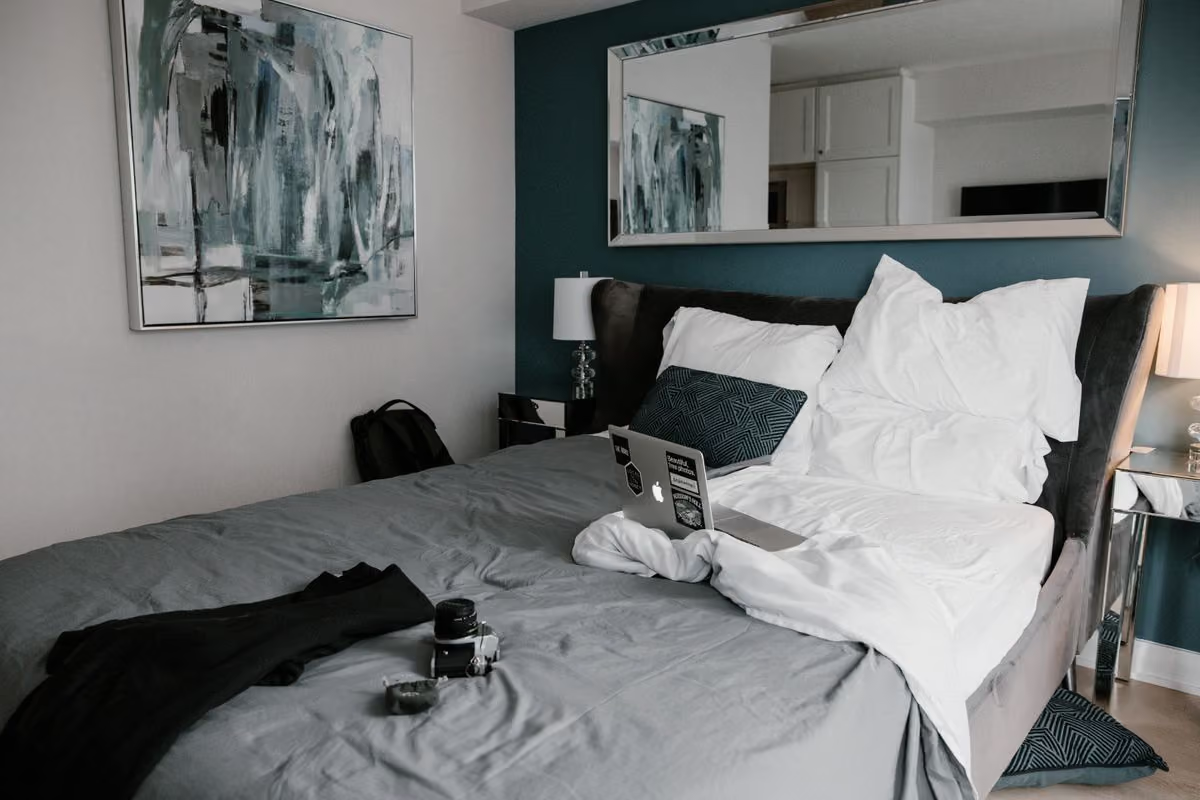
Start free trialA guest checks in at 11 p.m., pulls back the duvet, and finds a small dark spot on the sheet. Maybe it is nothing. Maybe it is a bed bug. They take a photo, send it to you, and now you have about ninety minutes to respond before the message turns into a one-star review with that photo attached. There is no category of guest complaint that moves faster from inbox to public reputation than a pest sighting, and there is no complaint a future guest reads more literally.
The cost is not just the review. A confirmed bed bug case can pull a unit offline for several days while it is treated and inspected, force you to refund or rebook the current guest, and, in a multi-unit building, spread to the room next door before you have even diagnosed the first one. Ants and roaches rarely require a shutdown, but they read as "dirty" to a guest no matter how spotless the surfaces are, and that perception is hard to walk back in a review. The good news is that almost all of this is preventable with a routine, and the damage from the cases that slip through is largely controllable with a fast, documented response.
Pests are a trust problem disguised as a cleanliness problem. A guest who finds a hair on the floor assumes a rushed clean. A guest who finds an insect in the bed assumes the place is infested and that you either did not know or did not care. Both readings end up in the review, and both depress your nightly rate by suppressing conversion on the listing.
Bed bugs are the worst case because they travel. They arrive in a guest's luggage, not from poor housekeeping, which means even an immaculate unit is exposed. Once they are in a mattress or box spring, a standard turnover clean will not remove them, and a treatment cycle typically runs over two visits across two to three weeks with the unit blocked in between. For a property that nets, say, USD 150 a night, a week offline plus a refund to the affected guest plus the exterminator bill can erase a month of profit on that unit. Ants and roaches are cheaper to resolve but more frequent, and a cluster of "saw a bug" reviews drags your rating down just as effectively as one dramatic incident.
There is also a documentation risk that hosts underestimate. When a guest demands a full refund and claims the place was infested, you need to be able to show what the unit looked like at turnover and how fast you responded. Without that record, you are negotiating from a weak position with the guest and with the platform's resolution team.
The EPA's bed bug resource center is the reference for identification and treatment that actually works.
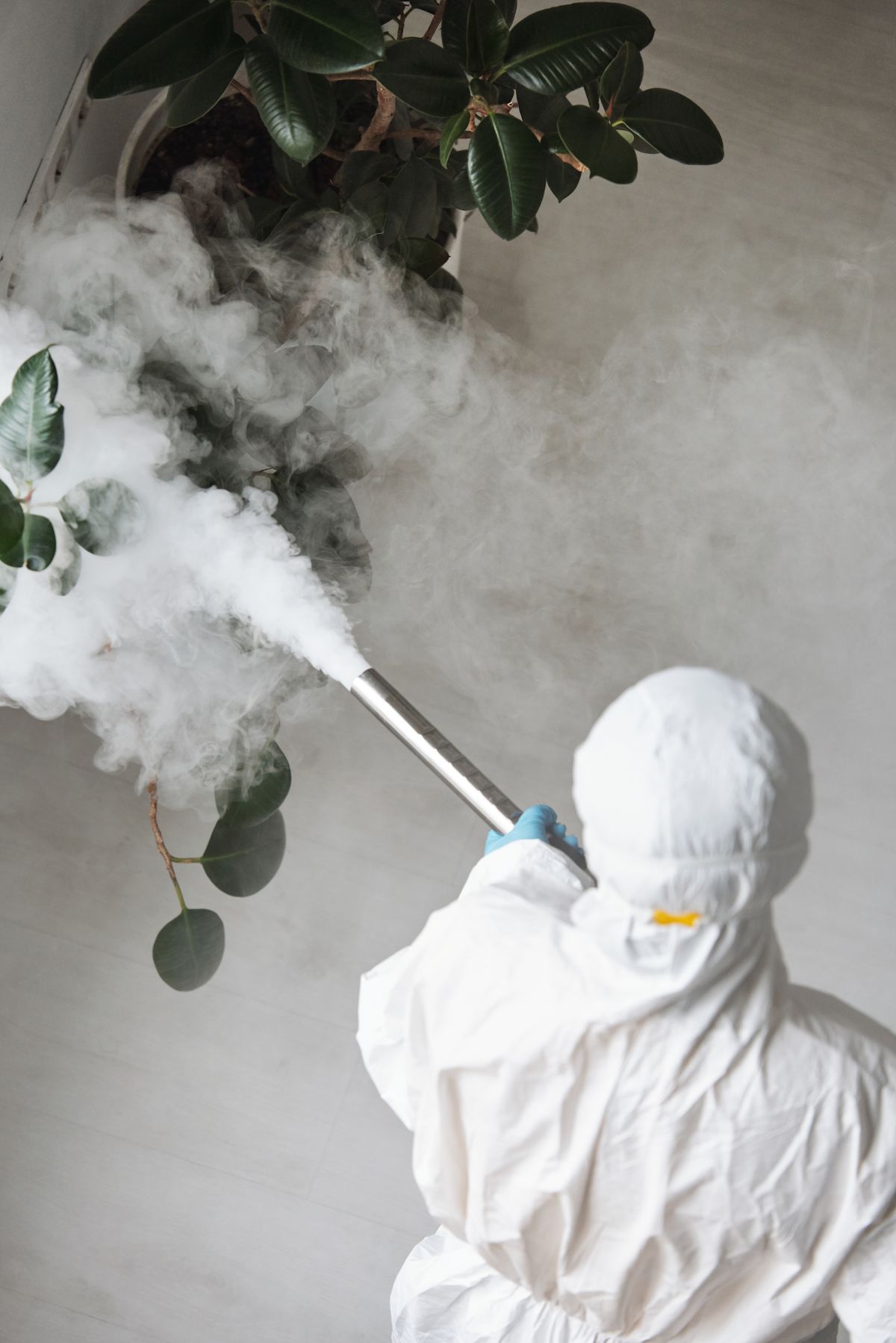
There is a mature set of practices for pest control in short-term rentals. Most experienced operators run some combination of the following.
None of these are exotic, and most cost very little. The gap for most hosts is not knowing what to do; it is doing it consistently across every turnover and every property, and reacting fast enough when a report comes in.
A pest program that actually protects your reviews has four properties. Judge any system, manual or software, against these.
Prevention without fast response leaves you exposed on the cases that slip through. Fast response without documentation leaves you exposed in the dispute. You need all four.
Two of those four properties, detection at turnover and fast routed response, are where most hosts lose time, and they are where Nowistay's tooling fits.
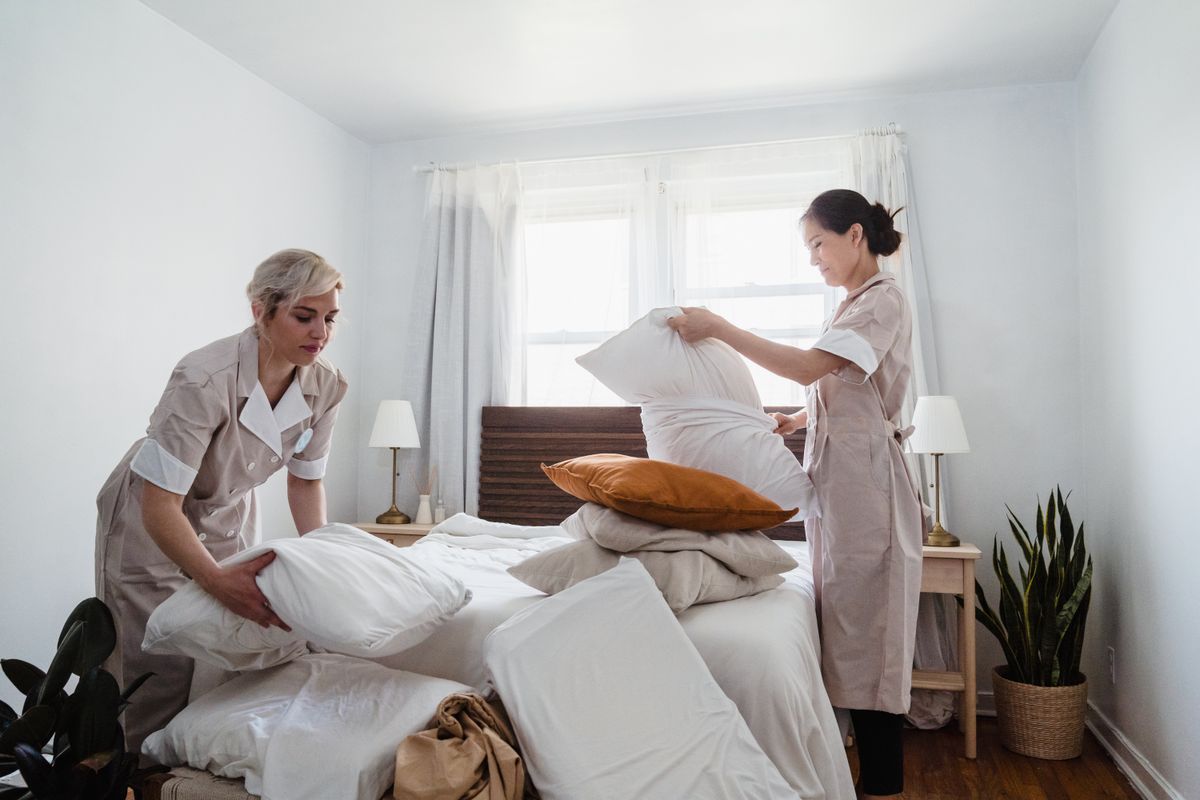
On the detection side, you add pest-inspection items to the cleaning checklist your team completes at every turnover: check the mattress seams and encasement, the headboard and box spring, under-furniture corners, and the kitchen for ant trails. Because the checklist requires photos as completion proof, the turnover produces a timestamped visual record that a human looked and found no signs. That record is the evidence you reach for if a guest later claims the unit was infested on arrival. One honest limit worth stating plainly: a checklist does not detect pests on its own. It is structured proof that a person inspected the high-risk spots, which is exactly what you want when a clean was rushed or a dispute starts. You can build these inspection steps into your turnover lists in the same place you manage all of them, described here: photo checklists for your cleaning team.
On the response side, when a guest messages "there's a bug in the bed," the autonomous AI co-host reads it within about a minute, in the guest's language, and sorts it as an incident rather than a routine question. Pest reports fall under the cleanliness and safety incident types, so instead of sitting unread until you happen to notice, the message is routed to the right team member, your pest contact or maintenance, over WhatsApp or email, with a 30-minute timeout that escalates to you if no one responds. The full exchange, every message with its timestamp, stays in one thread, which gives you the documented timeline you need if the guest disputes it later. The AI handles the conversation and flags it; it does not decide refunds or compensation, so what to offer the guest stays your call. The co-host runs natively on Airbnb, Booking.com, Expedia, WhatsApp, and email, which covers the channels most pest reports actually arrive on. You can see how the guest-messaging and routing side works here: the AI co-host on WhatsApp and guest messaging. Count the mattresses and box springs that still have no bed-bug-rated encasement: that number is your real exposure to the worst case, and encasements are the most cost-effective defense against it. Bring it to zero first, then save your exterminator's emergency terms where whoever receives an 11 p.m. pest report can find them without waiting for you.
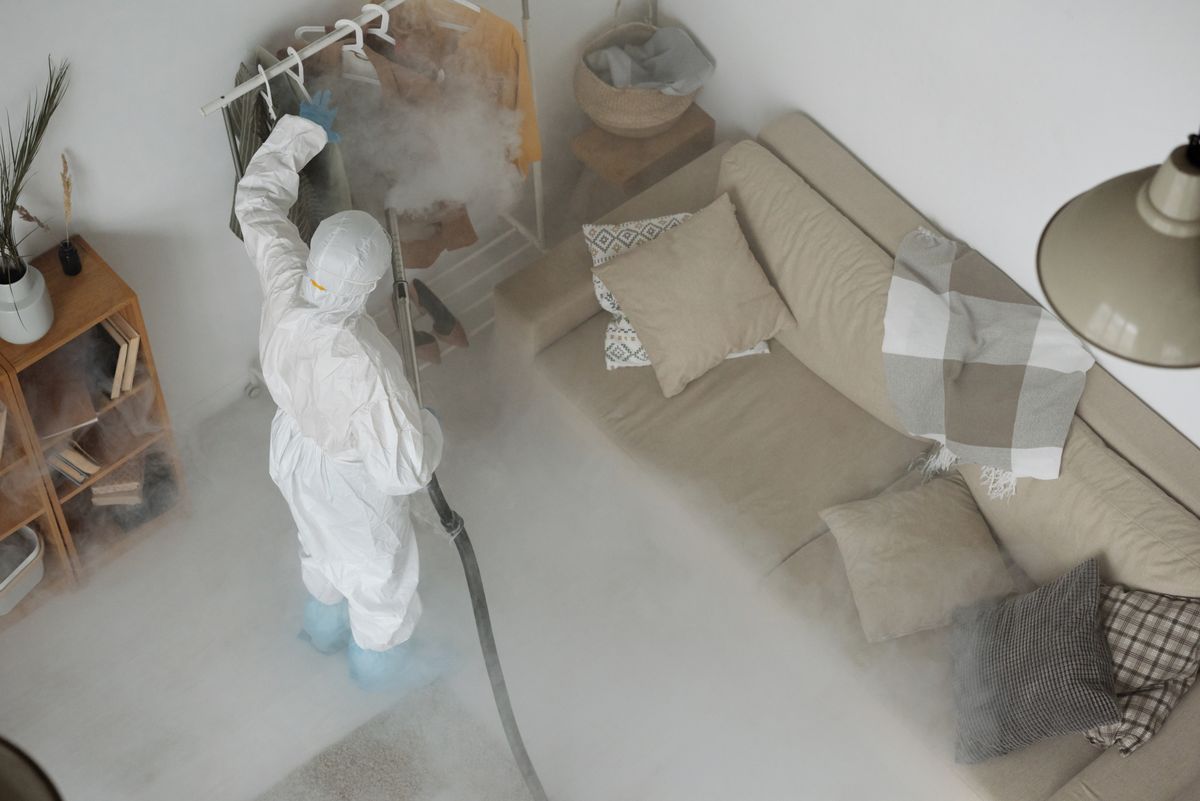
Bed bugs arrive in luggage. Blaming your cleaner or assuming a deeper clean will fix it wastes the first critical days. Encasements and inspection, not scrubbing, are the right defenses.
A pest check that lives only in your cleaner's memory is worthless in a dispute and easy to skip on a rushed turnover. Require a photo so the check is real and recorded.
A pest report that sits unread for hours is how a single sighting becomes a public review. The message needs to reach someone who can act, fast, with an escalation if it stalls.
Hosts in temperate regions often assume they are safe and drop encasements or treatment. Bed bugs do not care about climate because they travel indoors with guests. Ants and rodents shift seasonally but never disappear.
In a multi-unit building, a confirmed bed bug case in one room means the adjacent rooms need inspection too. Treating only the reported unit lets the problem move next door.
You can put the whole program in place inside two weeks. Most of it is one-time work.
Pests are one of the few rental problems where the well-prepared host and the unprepared host face the exact same event and walk away with completely different outcomes. The same bed bug arrives in the same suitcase. One host catches the early signs at turnover, responds to the guest's message within minutes, contains it to one room, and keeps a clean record. The other finds out from a one-star review three days later, after it has spread. The difference is not luck. It is a routine that runs whether or not you are paying attention, and a response path that does not depend on you being awake when the message lands.
Sign up free. Nowistay's co-host answers guests in about a minute on Airbnb, Booking.com, Expedia, WhatsApp, and email, sorts urgent reports, and keeps every message in one timestamped thread so you have a record if a guest disputes a pest claim. Photo checklists prove the turnover inspection was done.
Try Nowistay free

Over 25 years of experience in real estate investing and a recognized expert in short-term rental automation. Bassel helps property managers increase revenue, cut operating costs, and deliver 5-star guest experiences using AI-powered tools he built from firsthand hosting experience.