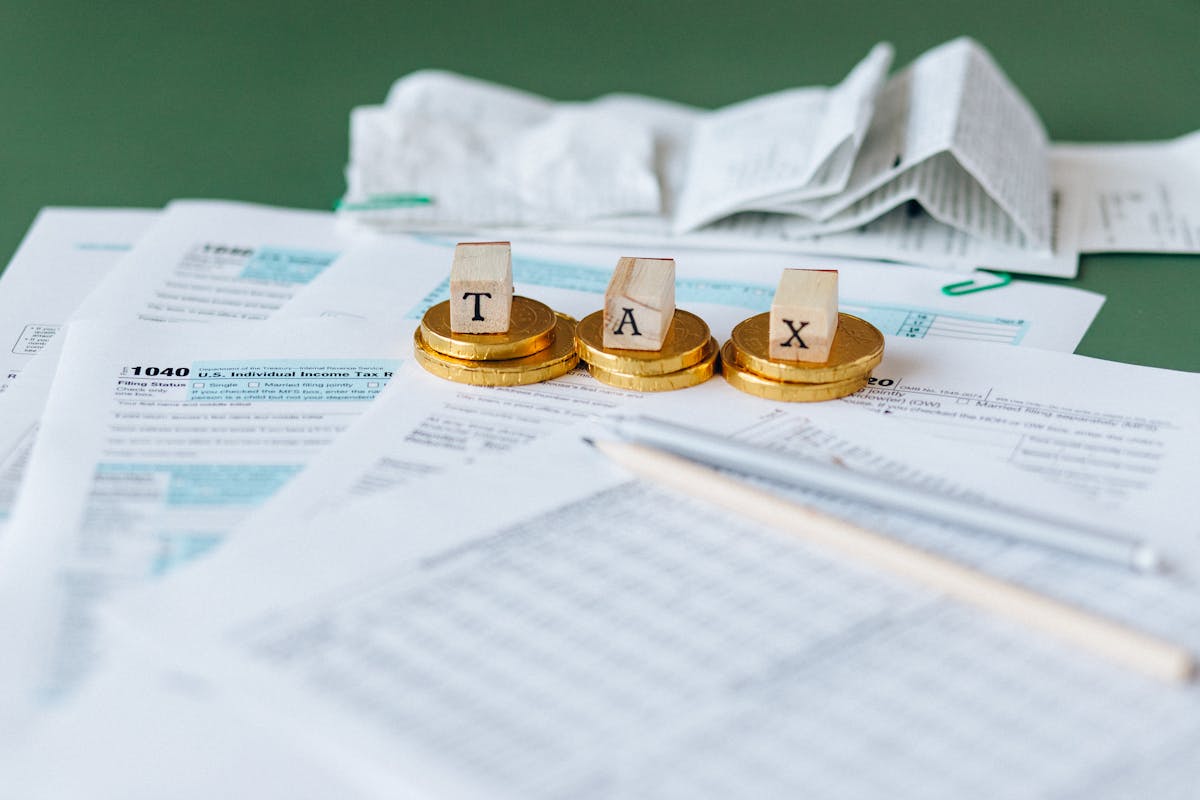
A furnished holiday rental in France can bring three local taxes for the owner: the CFE business tax, the taxe foncière and the taxe d'habitation on second homes. This guide explains who pays each one in 2026, the exemptions that cover many small hosts (first year, €5,000 of receipts, your own home), the payment deadlines, and what to file in your first CFE year.

Sign up free. Nowistay brings your Airbnb, Booking.com, Vrbo and Expedia bookings into one calendar and exports them to CSV with amounts, commissions and tourist tax. From €12 / $15 per property per month, first month free.
Start freeUsually, yes. The French tax administration treats furnished letting as a commercial activity, so a holiday rental brings a CFE bill (cotisation foncière des entreprises, a local business tax) even for a private owner. You owe nothing in the year you start, nothing when your gross receipts are €5,000 or less, and normally nothing when the rental is part of your own home. Otherwise the 2026 CFE is due by 15 December 2026, and it can only be paid electronically from your professional space on impots.gouv.fr.
The CFE is one of three local taxes an owner can face, alongside the taxe foncière (property tax, always due by the owner) and the taxe d'habitation on second homes (due when you keep the use of the property). The tourist tax is a different matter: guests pay it, and you or the platform pass it on to the commune.
This guide explains the rules as of October 2026. It is not tax advice: your business tax office (SIE) and your commune's votes decide your exact situation.
In principle, yes. impots.gouv.fr states that furnished letting is by nature a commercial activity subject to CFE, even when you let as a private individual under the LMNP rules (non-professional furnished letting). It is set by the commune where the property is located, including for owners living abroad, but several exemptions remove it for many small hosts.
The tax administration's official guidelines (BOFiP) define your personal home as the place you live in as your main residence, or a second home you occupy outside rental periods. A flat fitted out only to be let furnished does not qualify. If that is your situation, expect a CFE bill from your second year, as soon as your reference receipts exceed €5,000.
The CFE is calculated on the cadastral rental value of the property you let. When that value is low, which is common for a single flat, a minimum contribution applies instead. Each commune sets its minimum base within a national range that depends on your receipts. The 2026 ranges are:
Your bill is that base multiplied by the local CFE rate, so two identical flats in neighbouring towns can pay very different amounts. When the reference period is shorter than 12 months, receipts are brought to a 12-month basis to find your bracket, so a few busy months after a mid-year start can place you higher than expected.
On the income tax side, the CFE is a deductible expense if you file under the régime réel. Under the micro-BIC regime, the flat-rate allowance is deemed to cover all your expenses, CFE included. The guide to Airbnb taxes covers income tax, and the new short-term rental rules explain how the micro-BIC changed for holiday rentals.
The CFE notice is never sent by post. It appears in your professional space (espace professionnel) on impots.gouv.fr, which is separate from your personal tax account. The tax administration's CFE leaflet (March 2026) warns that the activation code for a new professional space is sent by post within 60 days, so create yours well before December.
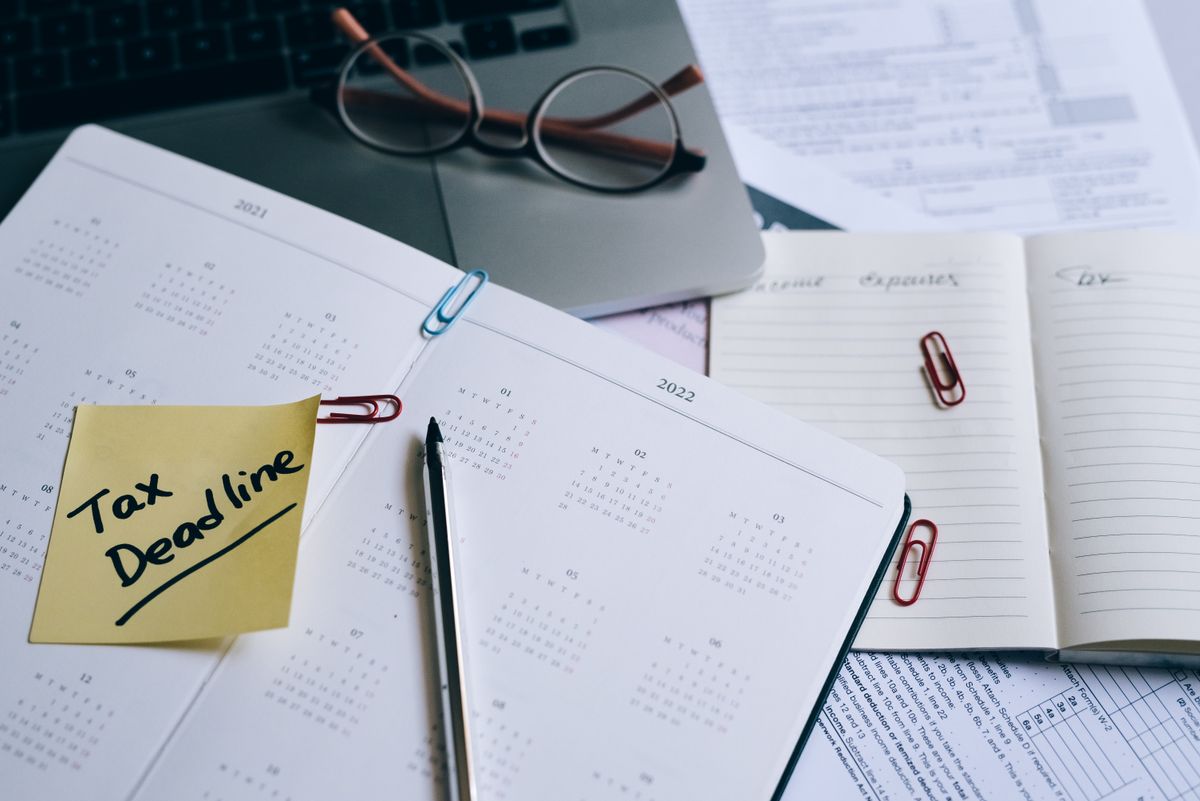
Two formalities start the clock. First, declare the start of your furnished letting activity within 15 days of your first rental on the government's online business formalities portal (guichet des formalités des entreprises). It is free and gives you a SIRET number to report on your income tax return. Second, file form 1447-C-SD (the initial CFE declaration, Cerfa 14187*16) with your business tax office (SIE) before 31 December of the year you started. It must be filed on paper. This form describes the property and claims the first-year exemption.
The taxe d'habitation now applies only to second homes and other furnished homes that are nobody's main residence. It depends on your situation on 1 January, and for a holiday rental the owner usually pays. In a decision of 15 June 2023, the Conseil d'État (France's highest administrative court) upheld the tax for owners who let short-term while remaining free to accept or refuse bookings, even though a guest was staying in the flat on 1 January.
Communes in areas with a housing shortage (zones tendues) can add a surcharge of between 5% and 60% on their share of the tax. Each town decides whether to apply it and at what rate, by a vote before 1 October that takes effect the following year. Look for the surcharge (majoration) line on your notice. Relief can be requested in a few specific cases, for example when your job forces you to live away from your main home.
Also keep the occupation declaration current: if it was never filed or the use changed, update it before 1 July in the "Gérer mes biens immobiliers" section of your impots.gouv.fr account. The notice arrives in the last quarter of the year, with a payment deadline in mid-December.
The taxe foncière is due by whoever owns the property on 1 January, whether it is let, empty or used by you. For 2026, the tax administration's press release of 22 September 2026 sets the deadline at 20 October 2026 for online payment, with the debit taken on 26 October. Bills of €300 or less can also be paid in cash or by card at an approved tobacconist until 15 October 2026. Like the CFE, it is deductible under the régime réel and covered by the allowance under micro-BIC.
The tourist tax is not a tax on you: guests pay it per night, and each commune sets its rates. You collect it yourself on direct bookings, while platforms that take the payment for non-professional hosts collect and pay it on your behalf. Rates, exemptions and declaration schedules differ from town to town; how to collect and automate tourist tax covers the details.
No rental tool pays these taxes for you, but they all start from the same figure: your gross receipts per property and per year. In Nowistay, the bookings export downloads a CSV with each booking's amount, channel, platform commission and tourist tax, for the whole account from the Bookings page or for one property from its Advanced settings (see how to export your bookings). On direct bookings, the tourist tax you set up (per guest per night, or a percentage with a per-person cap for unclassified rentals) is added to the guest's price automatically.
Sign up free. The autonomous AI co-host answers guests on Airbnb, Booking.com, Expedia, WhatsApp and email, 24/7 and in 90+ languages, and alerts you when a human is needed.
Try Nowistay free

Plus de 25 ans d'expérience en investissement immobilier et expert reconnu en automatisation de la location courte durée. Bassel aide les gestionnaires de biens à augmenter leurs revenus, réduire leurs coûts opérationnels et offrir une expérience voyageur 5 étoiles grâce aux outils IA qu'il a conçus à partir de son propre vécu d'hôte.